FESTIVAL REVIEW: Boomtown 2025: Chapter Four – Power of Now – Sunday

Photos and Words – Kevin O’Sullivan
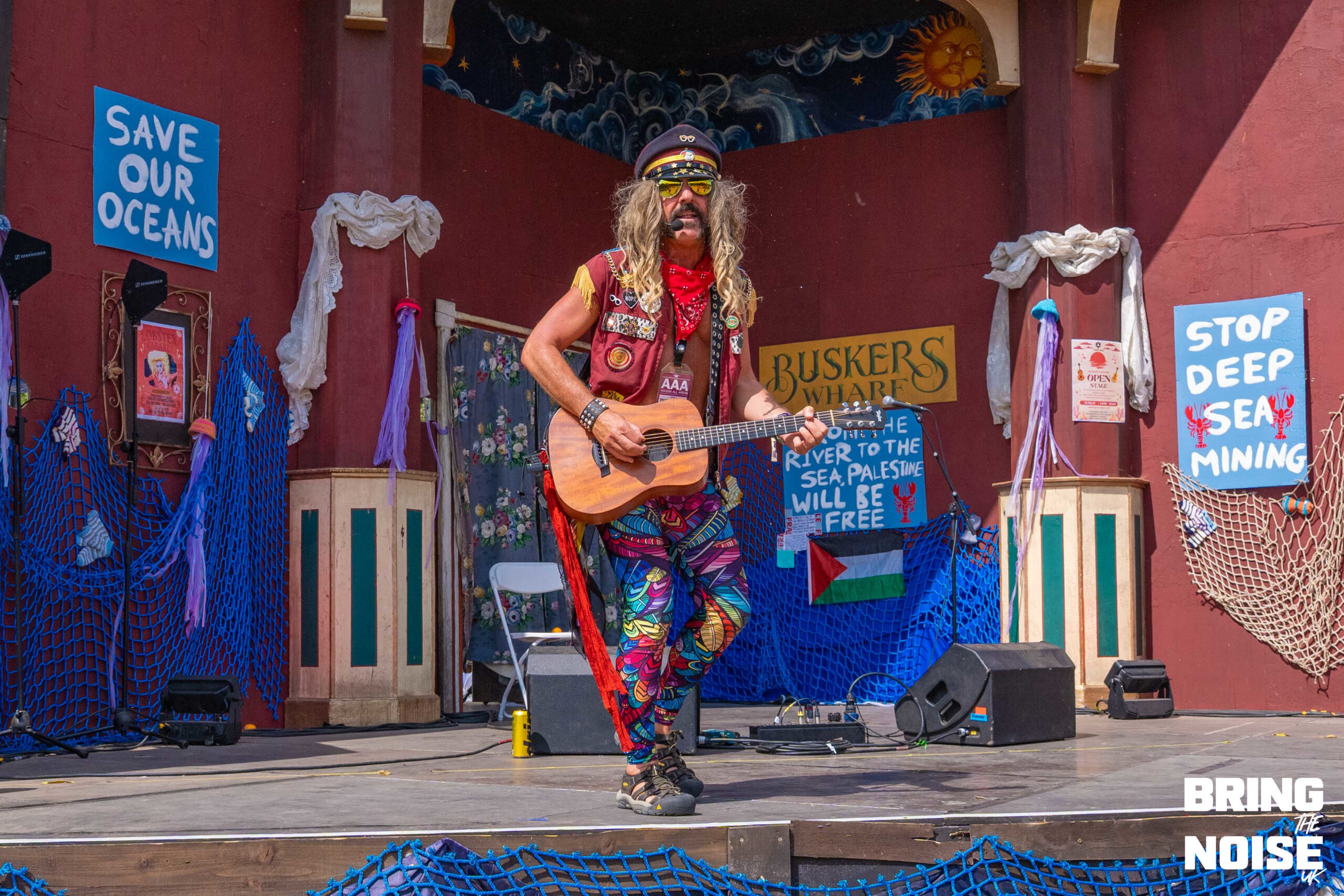
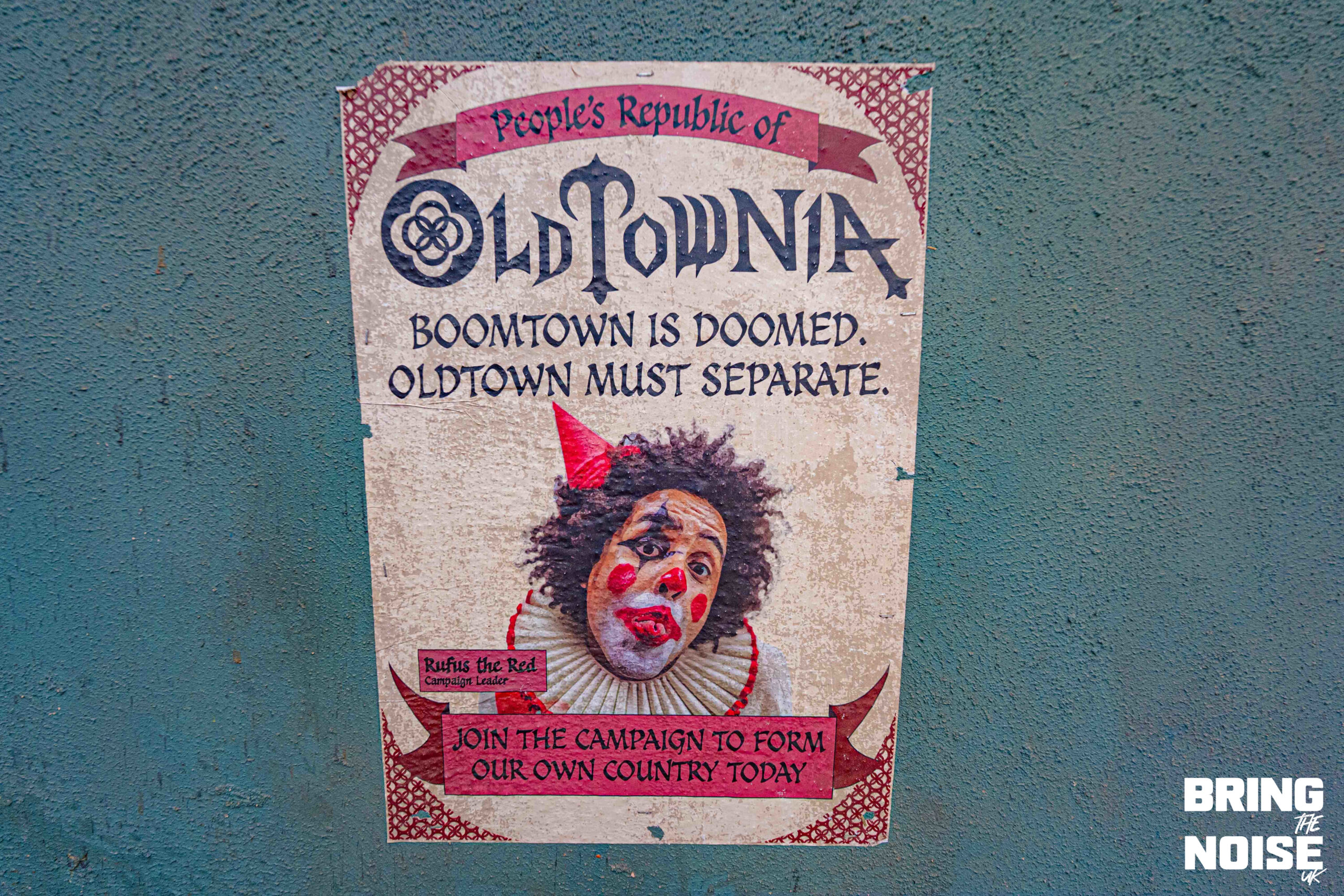
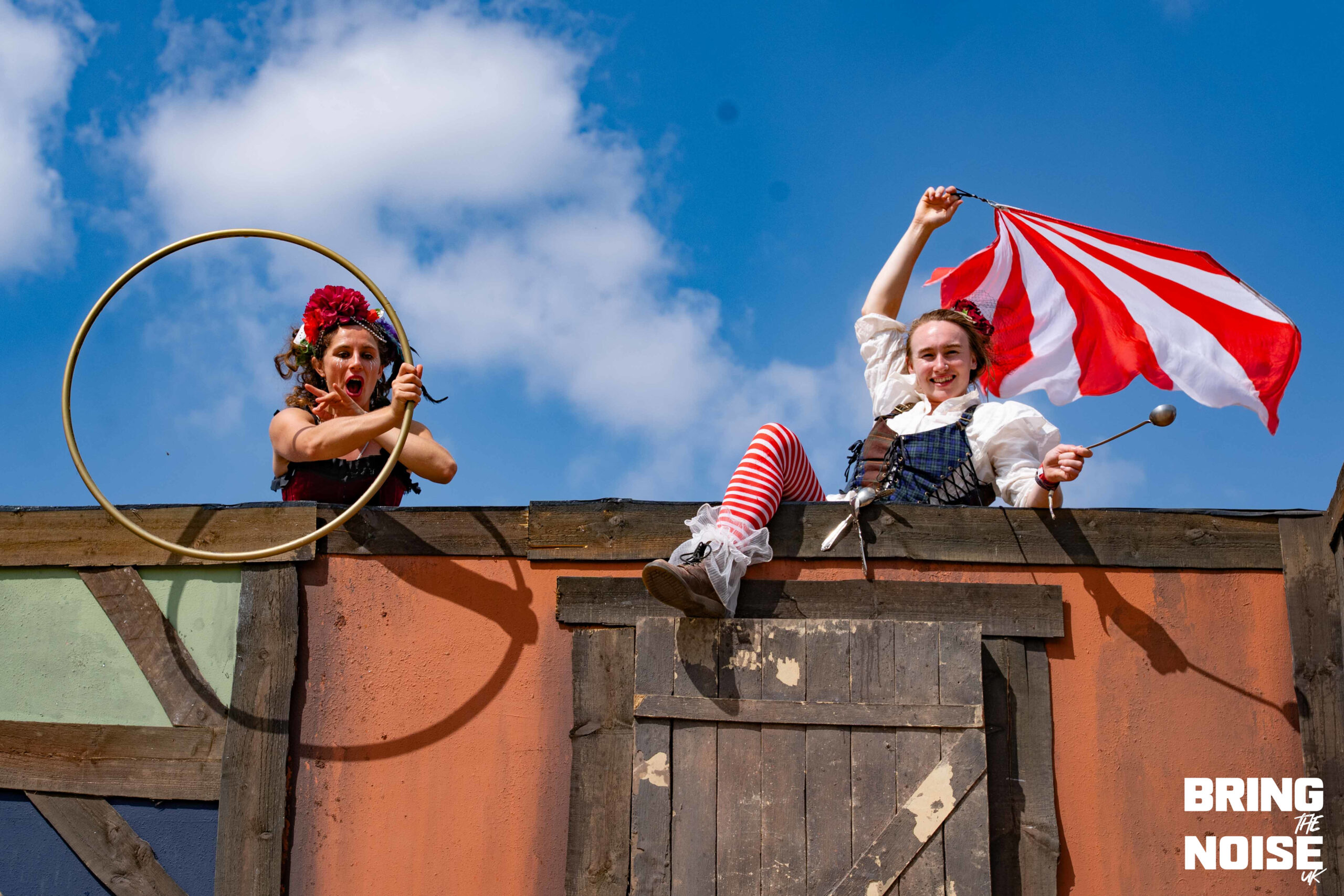
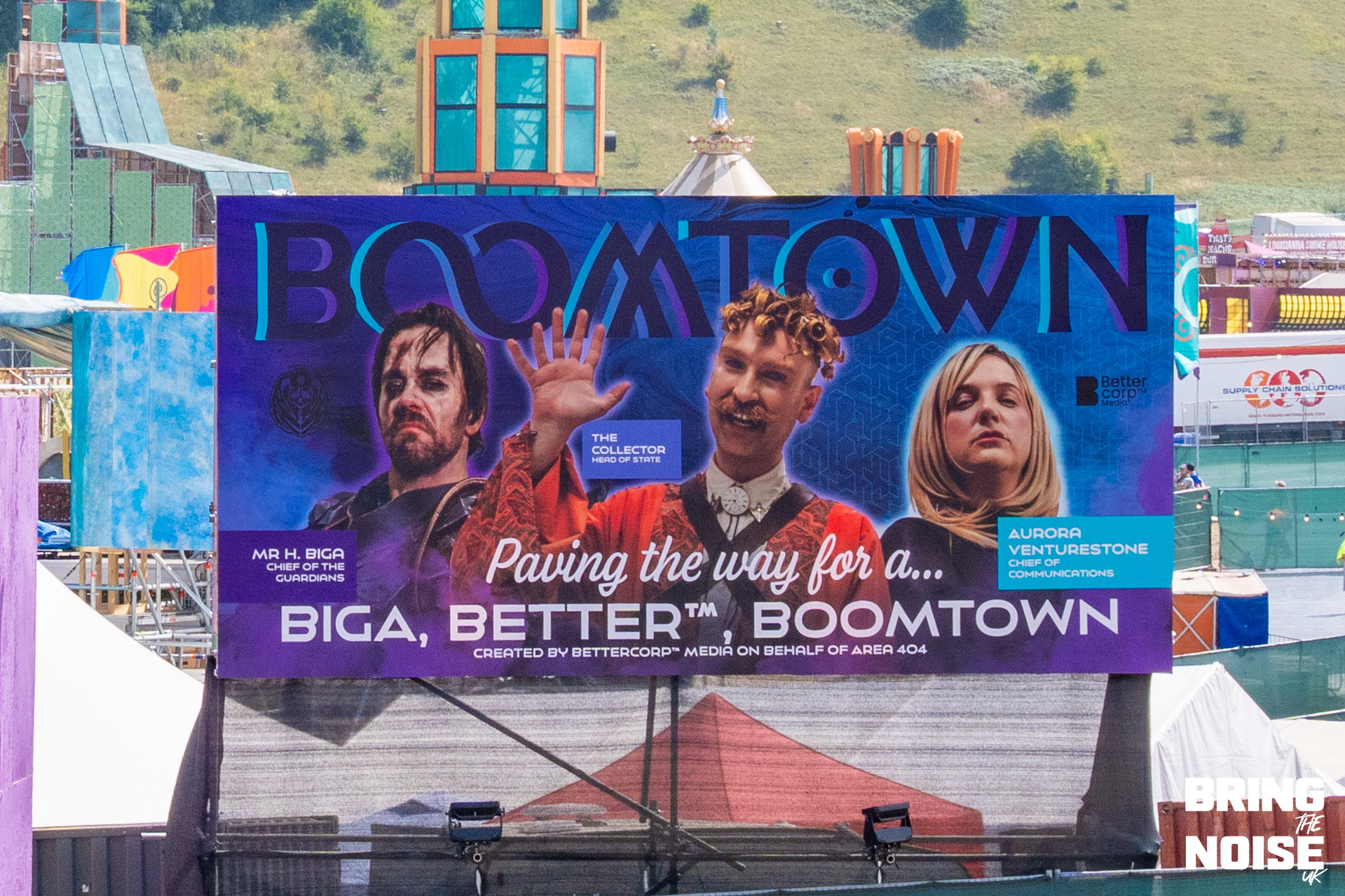
Now the dust has literally settled — and in this heat, that’s no metaphor — Boomtown 2025’s Sunday feels like it happened in another dimension. Chapter Four: Power of Now was set against a storyline where the citizens of Oldtown, having uprooted to the Hilltop, decided they’d had enough of Boomtown’s grand narrative. Led by Rufus the Red and The Den of Dis Order, they formed ‘The People’s Republic of Oldtownia’, a separatist movement plotting self-governance in earnest meetings you could actually sit in on. This is Boomtown at its core — a place where the theatre is alive, the story is everywhere, and the line between performer and punter barely exists.
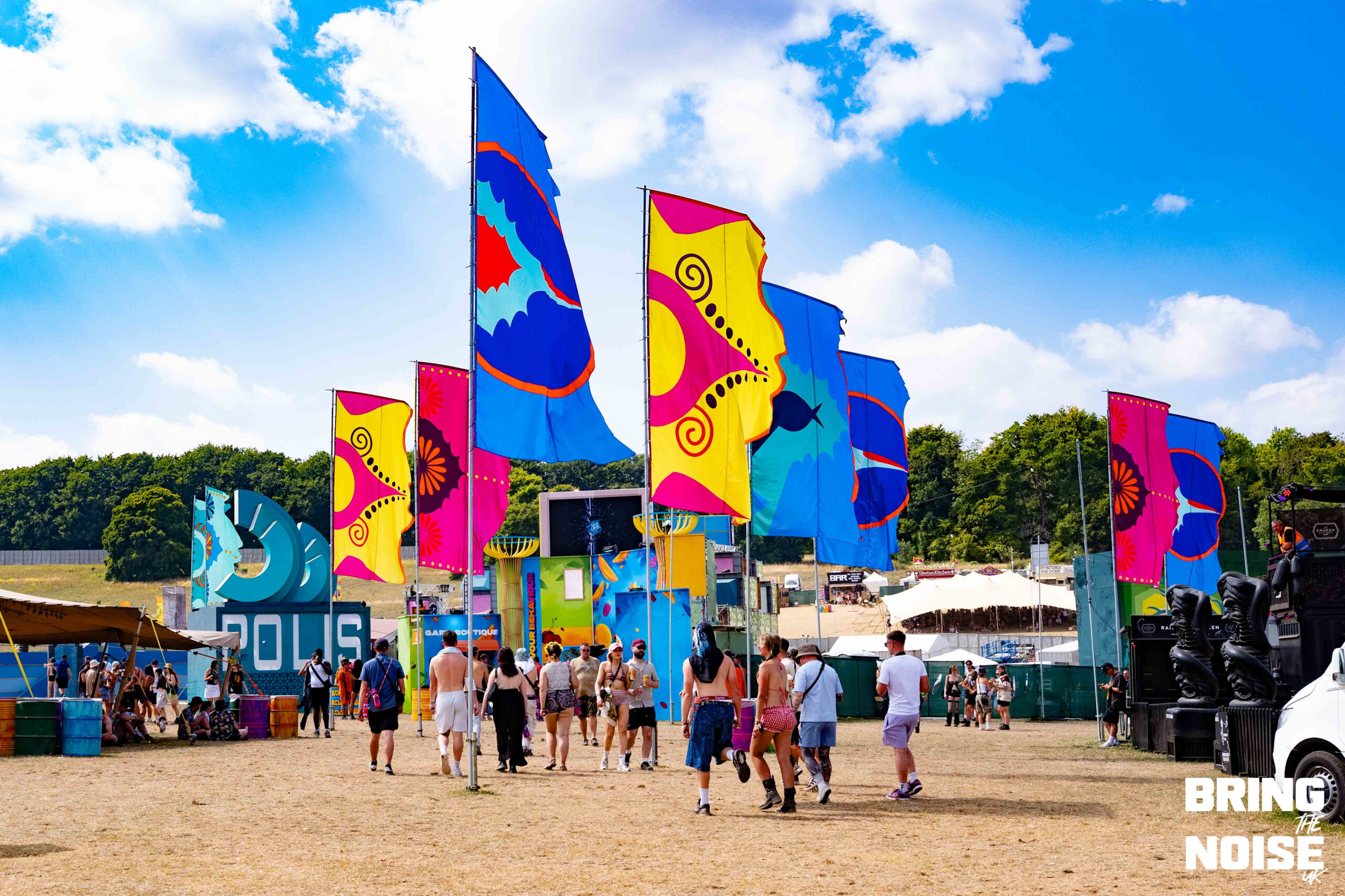
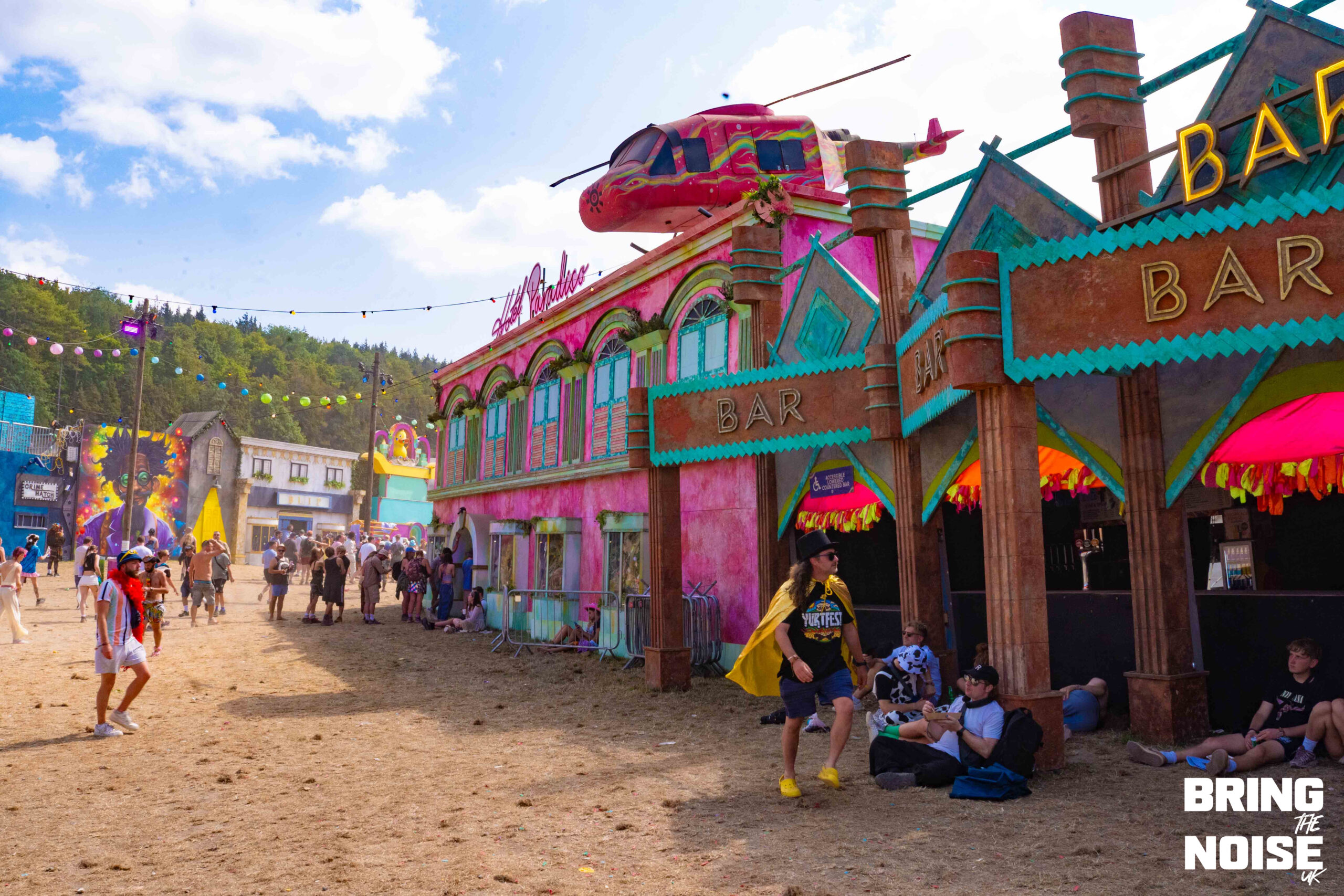
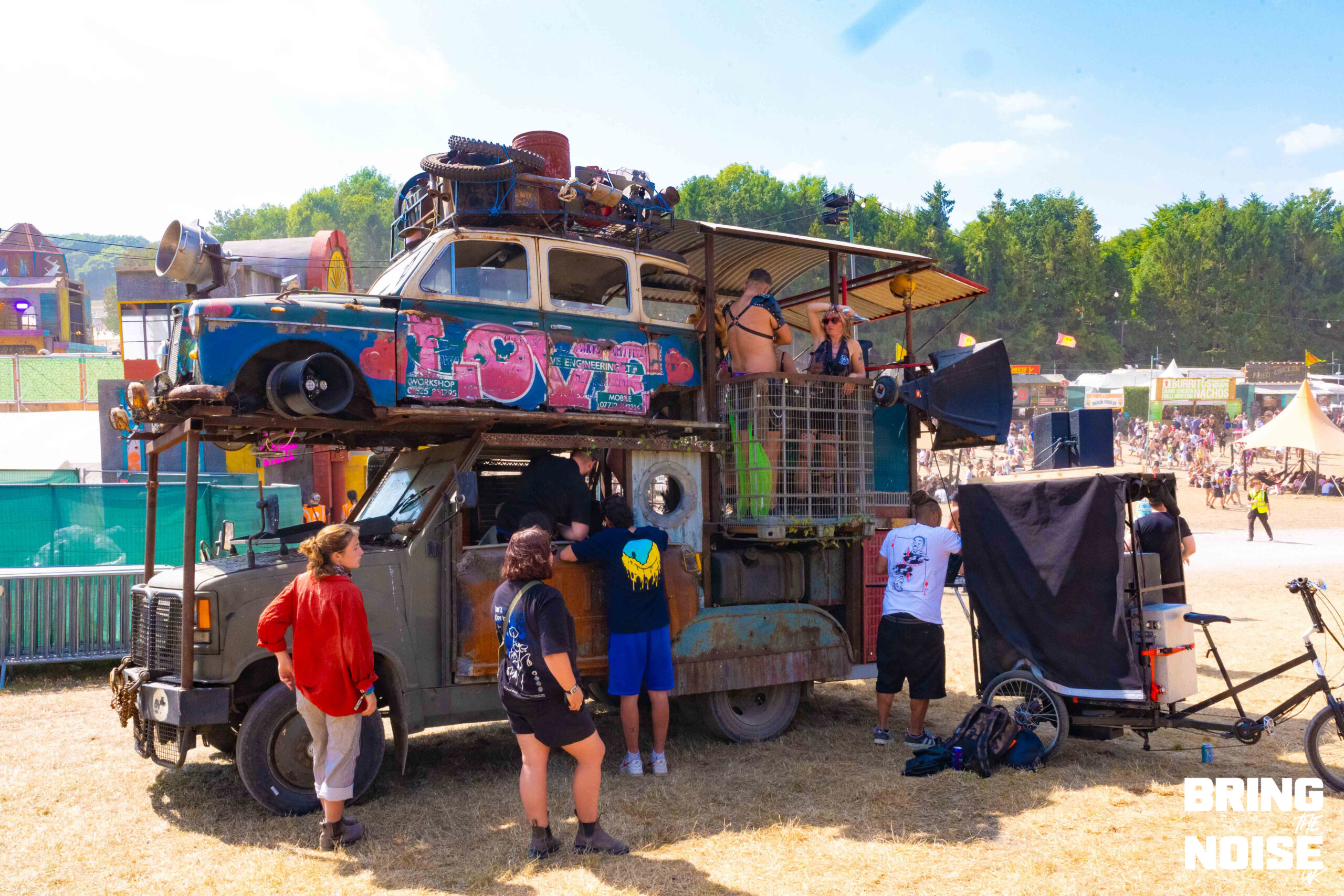
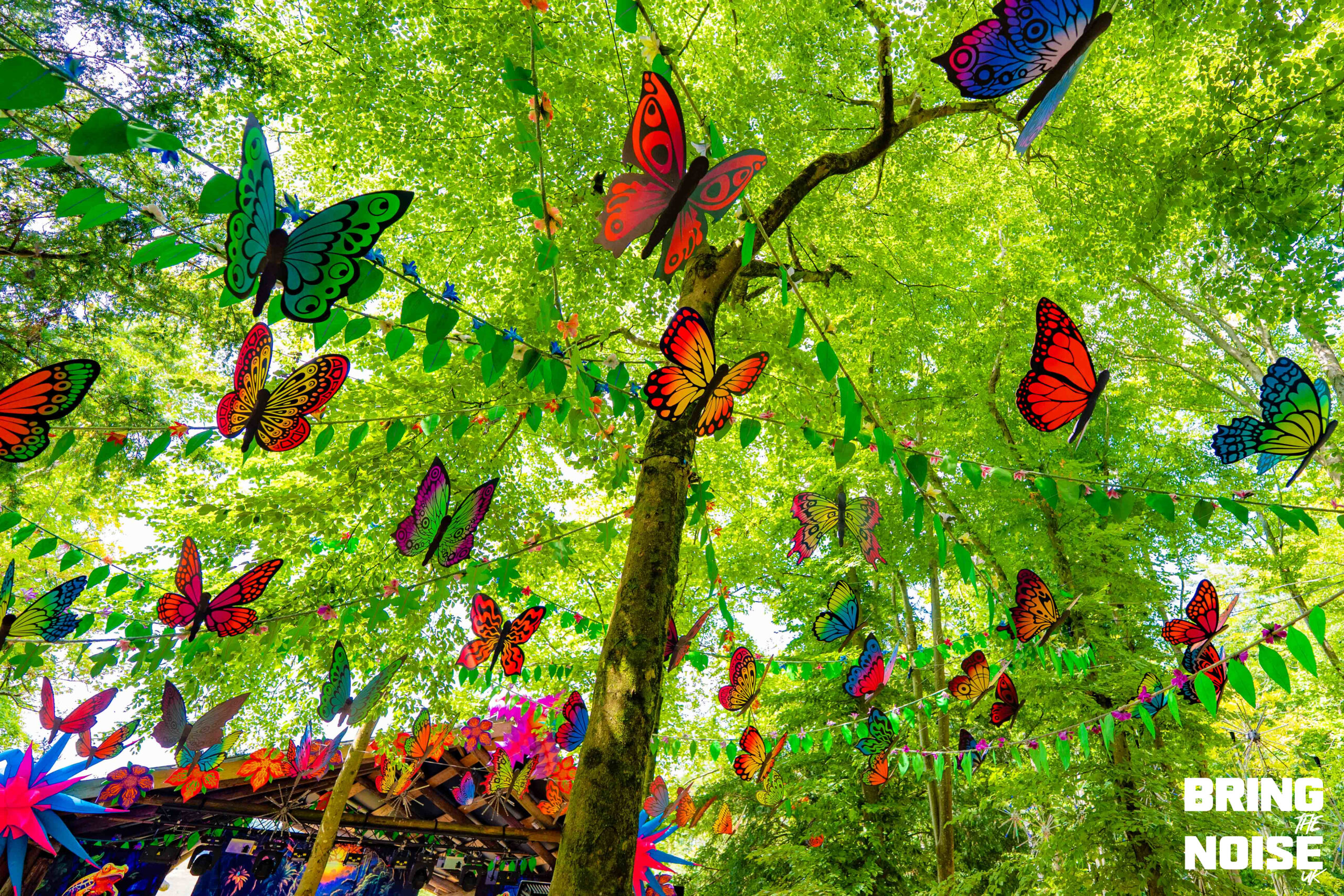
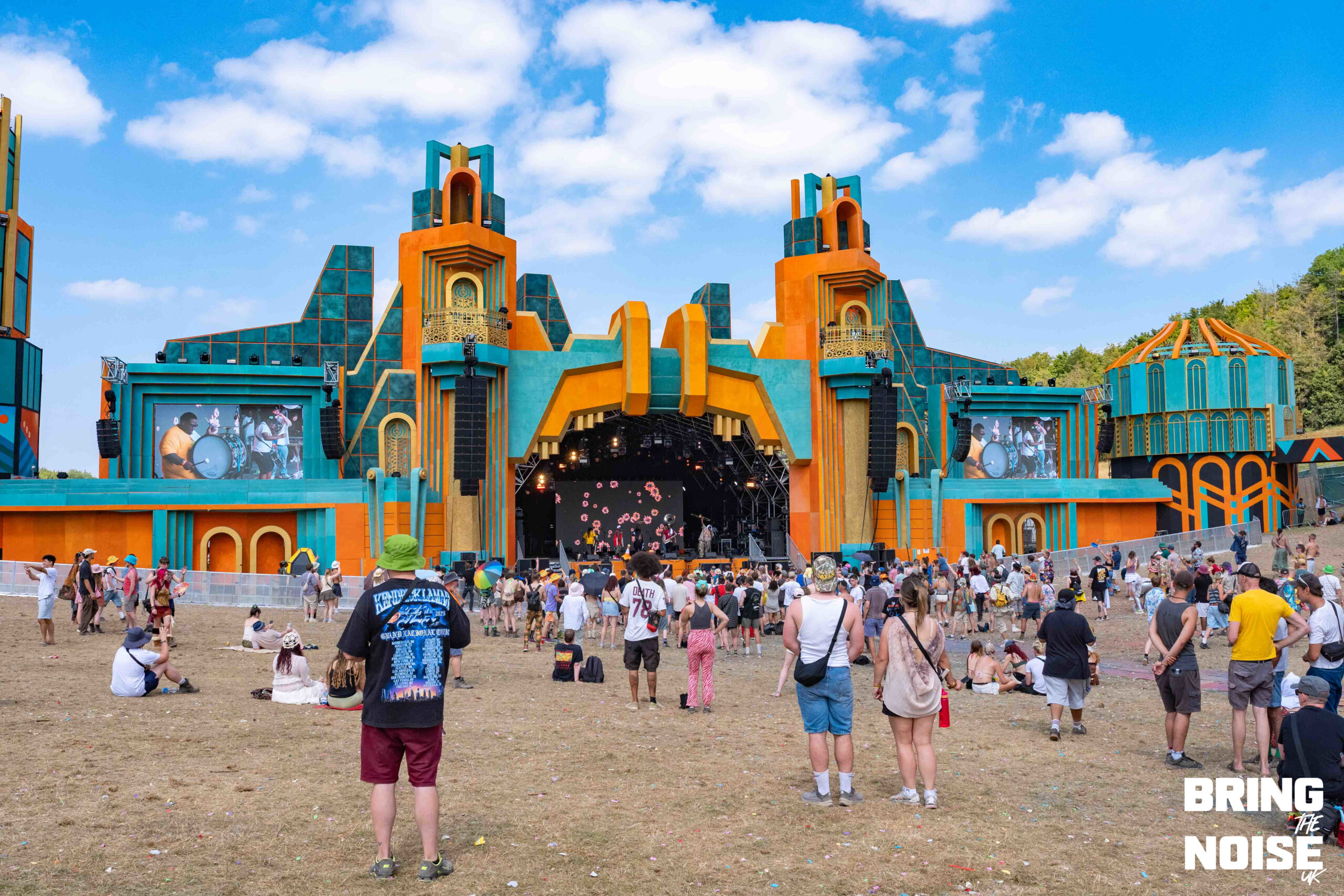
This isn’t a festival that just happens to you — you’re in it, shaping it. The interactive theatre sprawls across twelve distinct districts, each with its own characters, hidden venues, and lore. Oldtown is grit and rebellion. Metropolis hums with neon-fuelled techno, botanica drips with hip hop swagger, deep in the forests, psytrance pulses under glowing canopies.
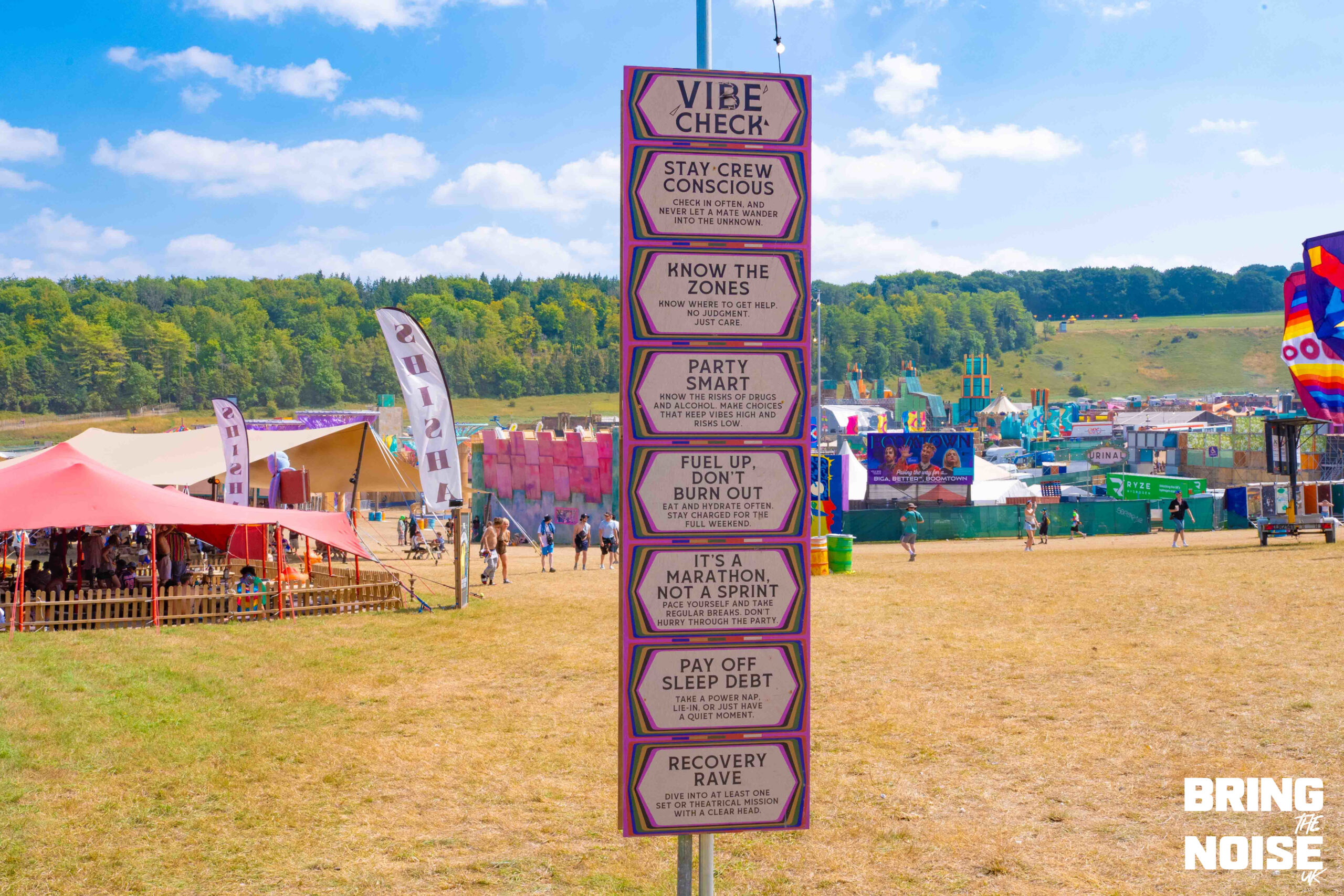
The sheer scale is jaw-dropping: 1,250 acres — bigger than Glastonbury’s arena space — holding 75,000 revellers, twelve main stages, and around fifty hidden ones tucked into alleyways, basements, and woodland clearings. Over 500 artists, DJs, and bands — reggae, punk, folk, jungle, psy, and genres you couldn’t name if you tried. The build takes two months, with land prep starting as early as June and dismantling takes another month. The attention to detail here is obsessive. Even the vibe is engineered — literally — with the Festival Vibe Code encouraging everyone to look after each other, pace themselves, hydrate, rest, and party smart. But it works: Boomtown is intense, but the friendliness is tangible.
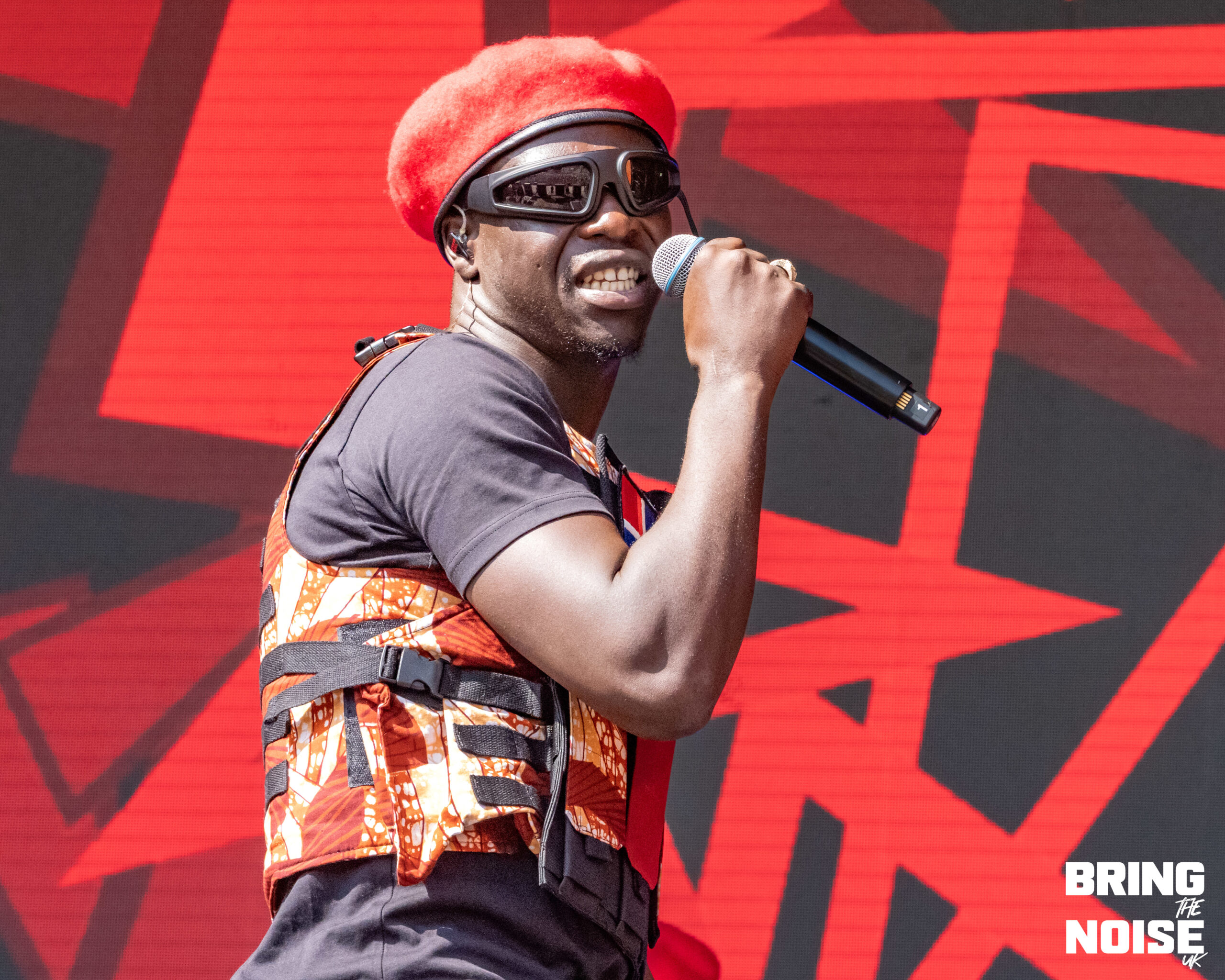
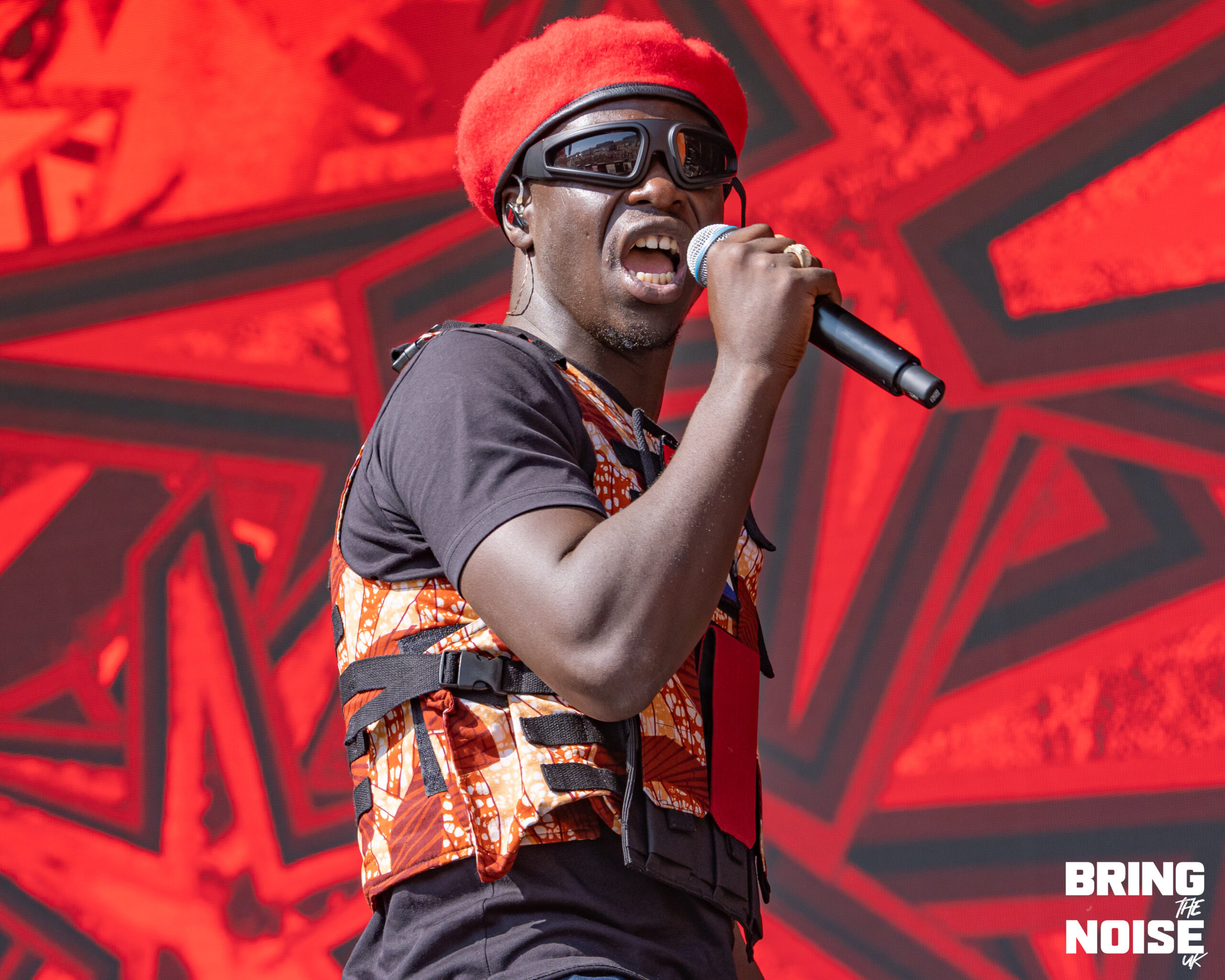
Over on the Grand Central stage, Coventry’s Pa Salieu delivered a set that felt like a rallying cry. His fusion of grime, rap, and West African rhythms gave the field a new pulse entirely — urgent, political, and fiercely original. Tracks like Frontline hit with raw energy, and you could see in the crowd’s faces they knew they were watching an artist with something to say. It was the perfect set-up for the heavyweight that followed.
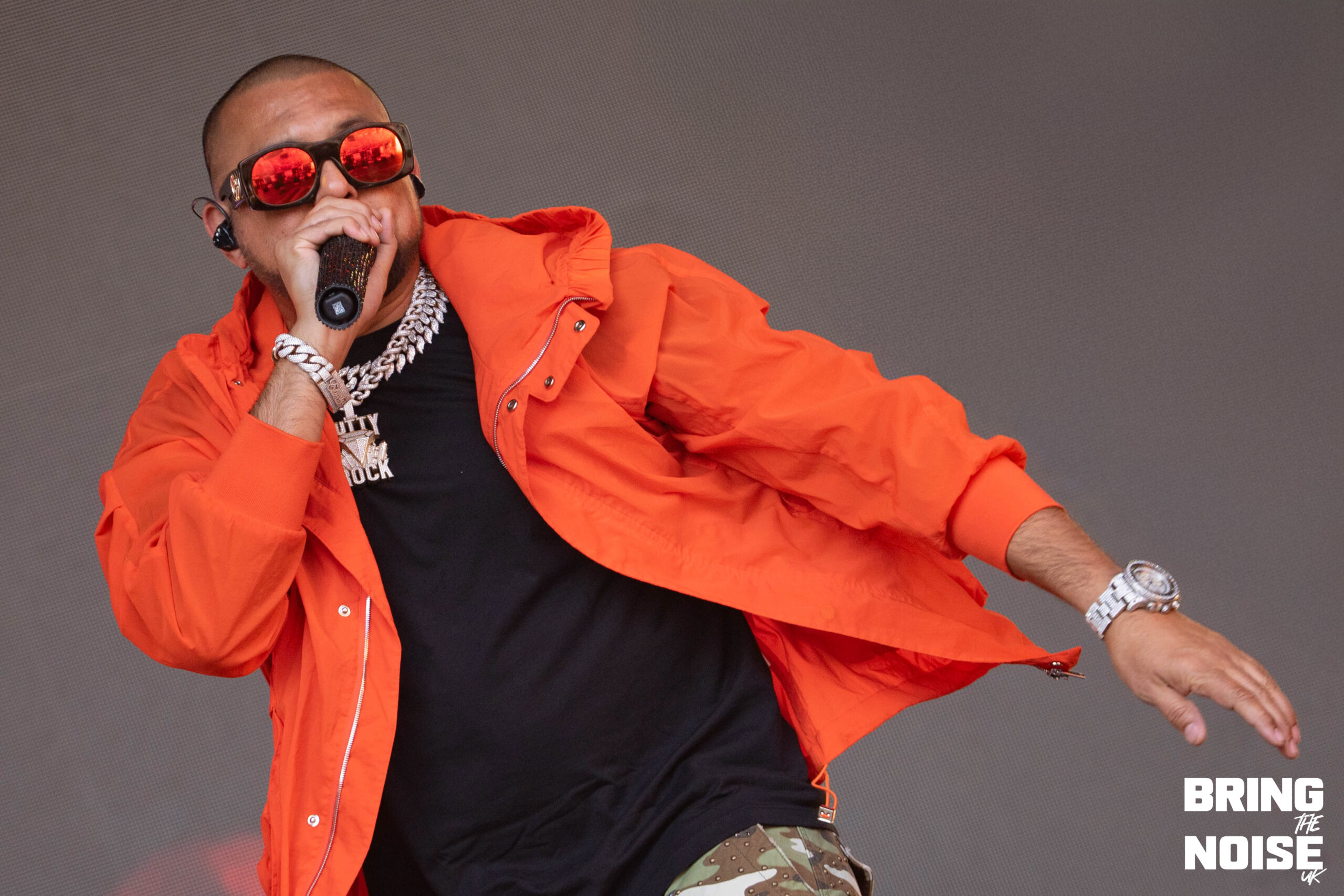
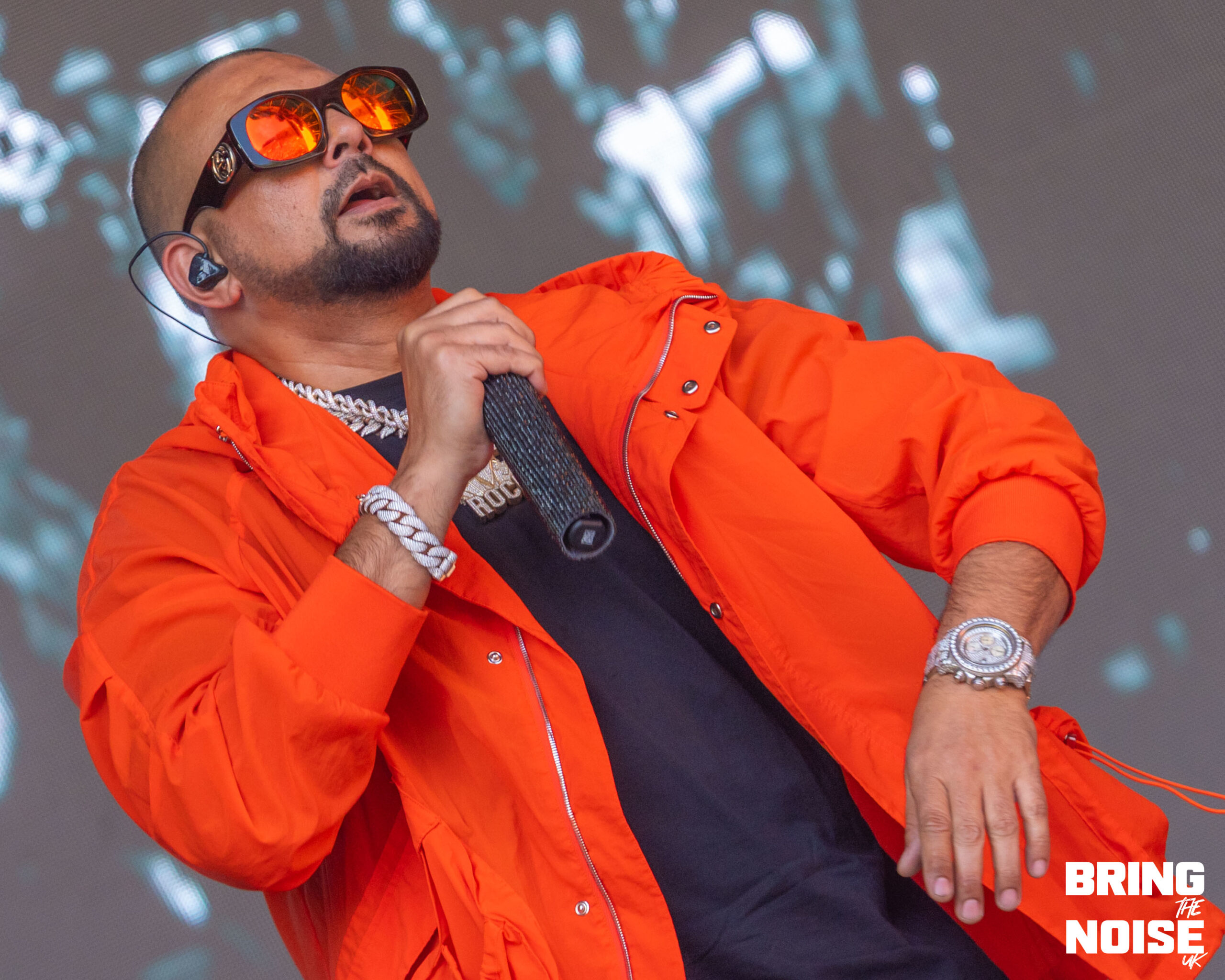
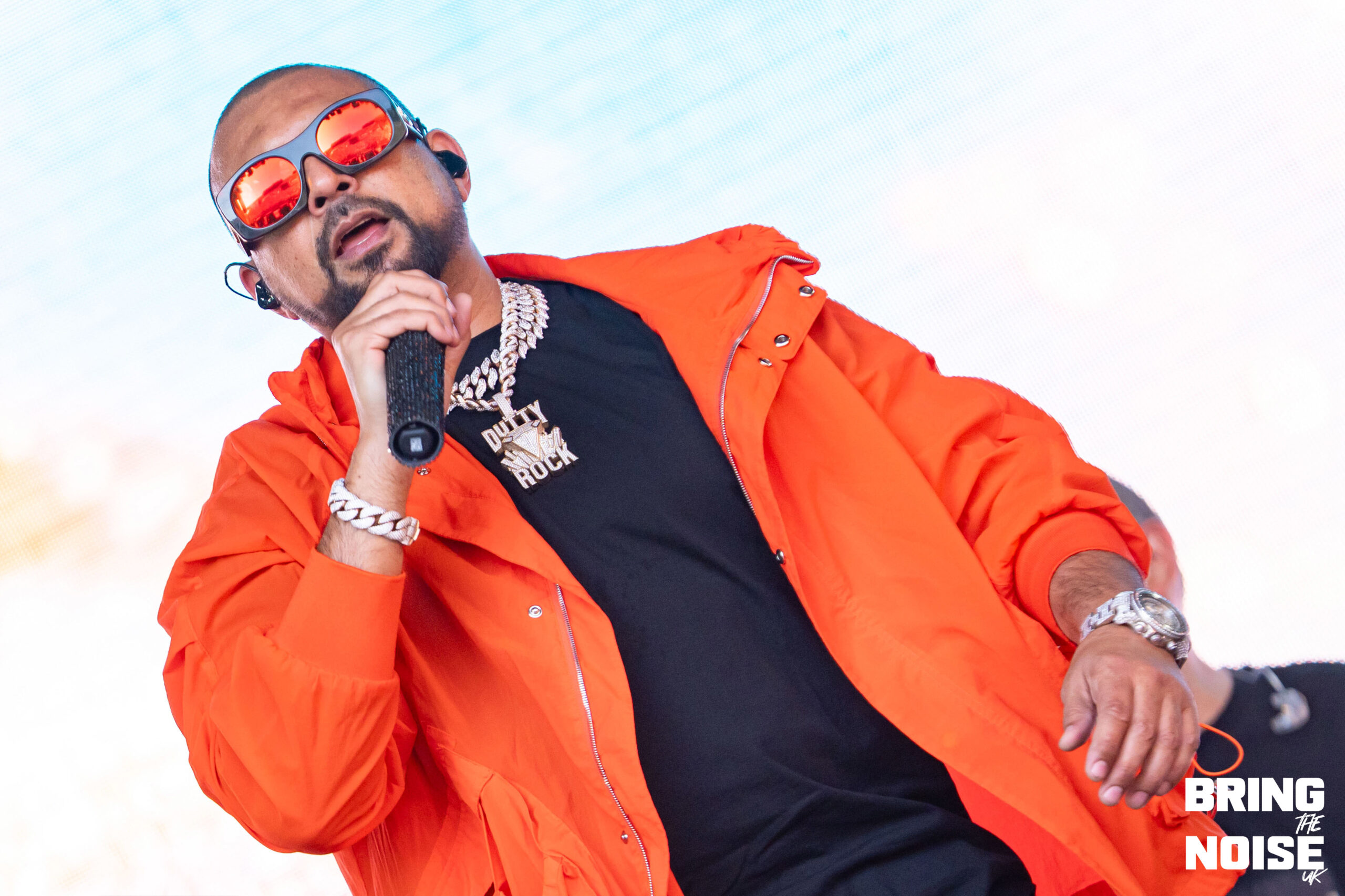
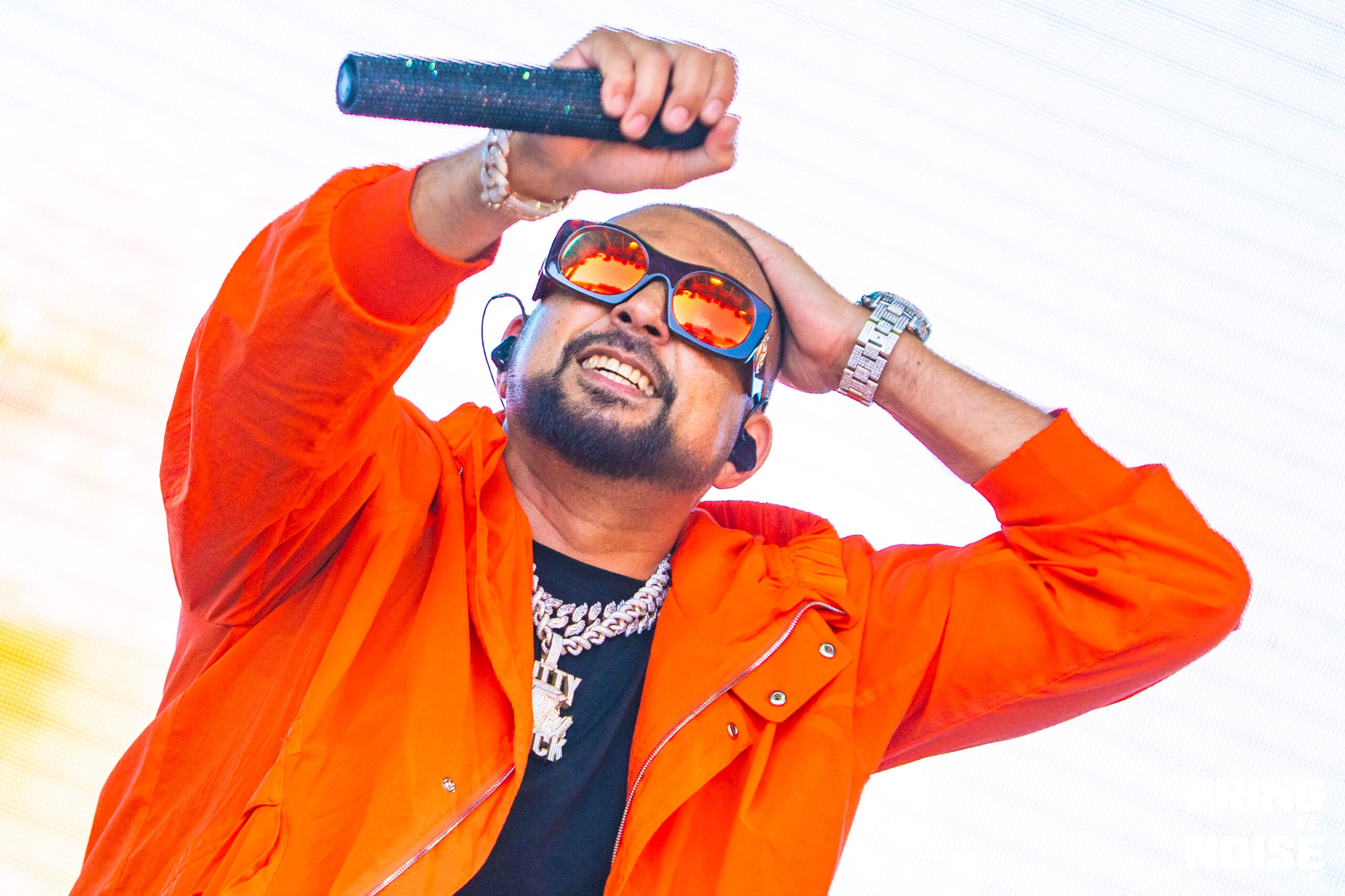
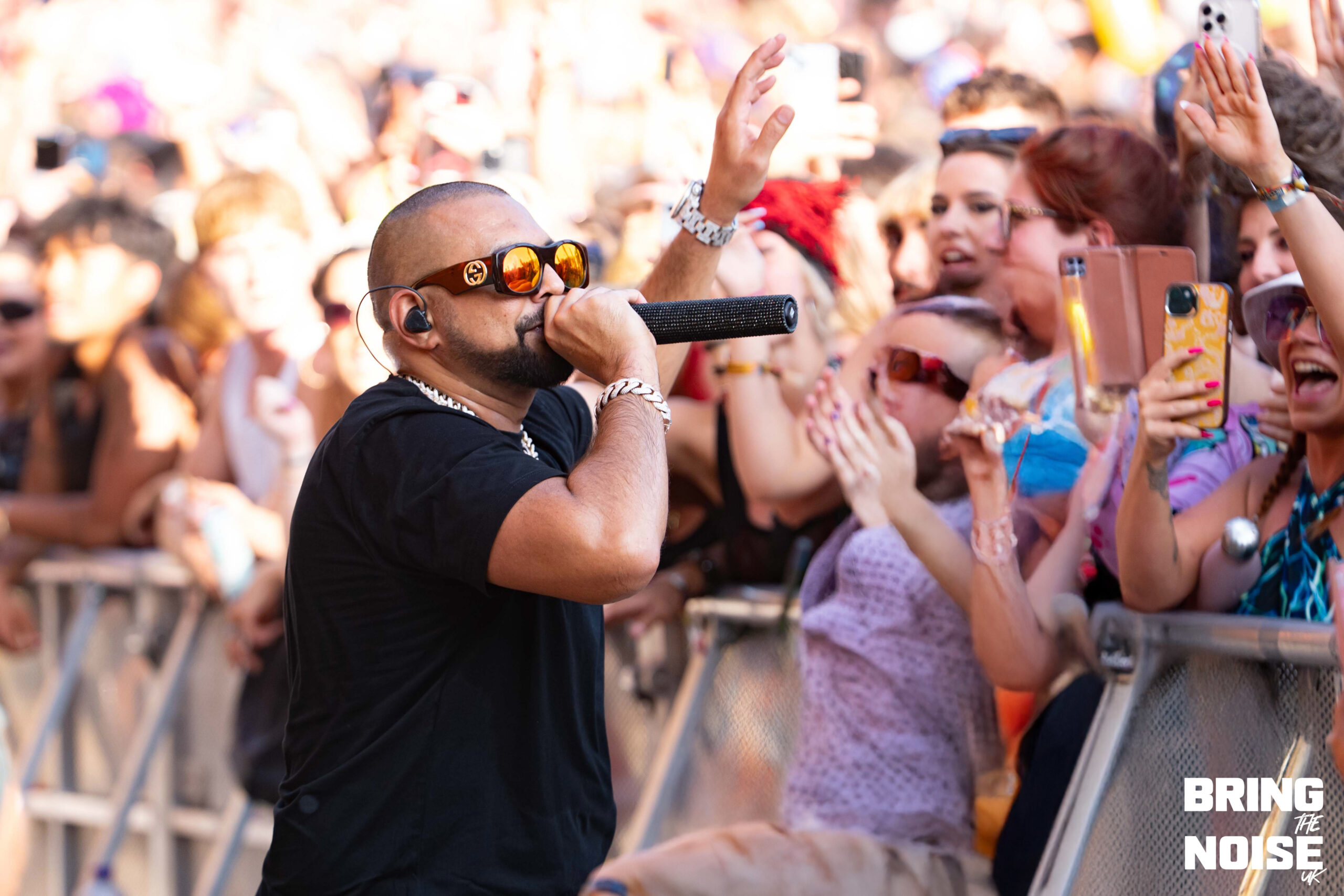
Sean Paul’s slot was always going to pull the weekend’s biggest crowd. He arrived with swagger, two dancers, and a DJ crew, launching straight into a relentless run of hits. He owned the stage, owned the crowd, and at one point pulled Brodie — wheelchair-bound with a broken ankle — up to sing Darlin with him. The field roared. He said he never wanted to leave Boomtown, and no one wanted him to.
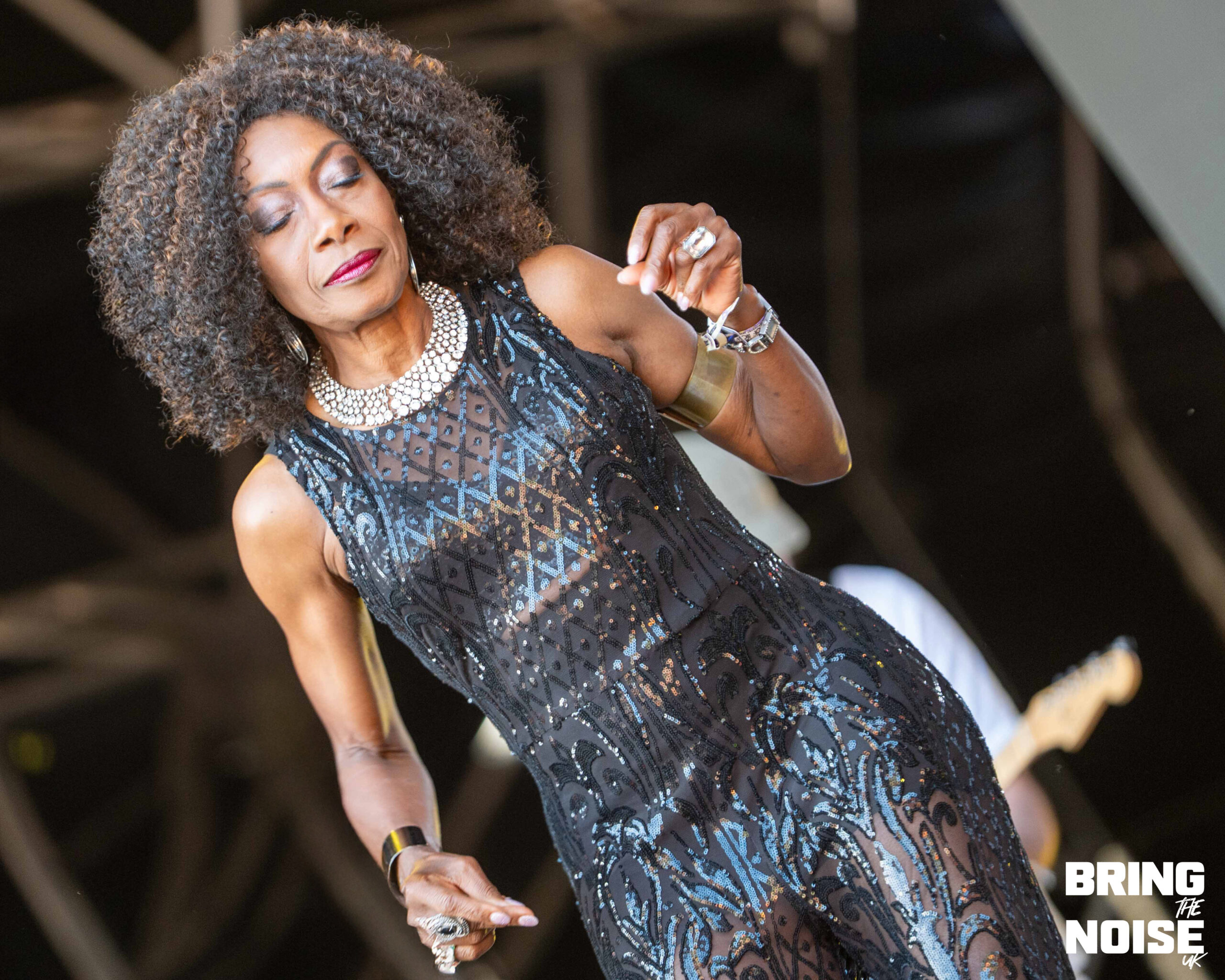
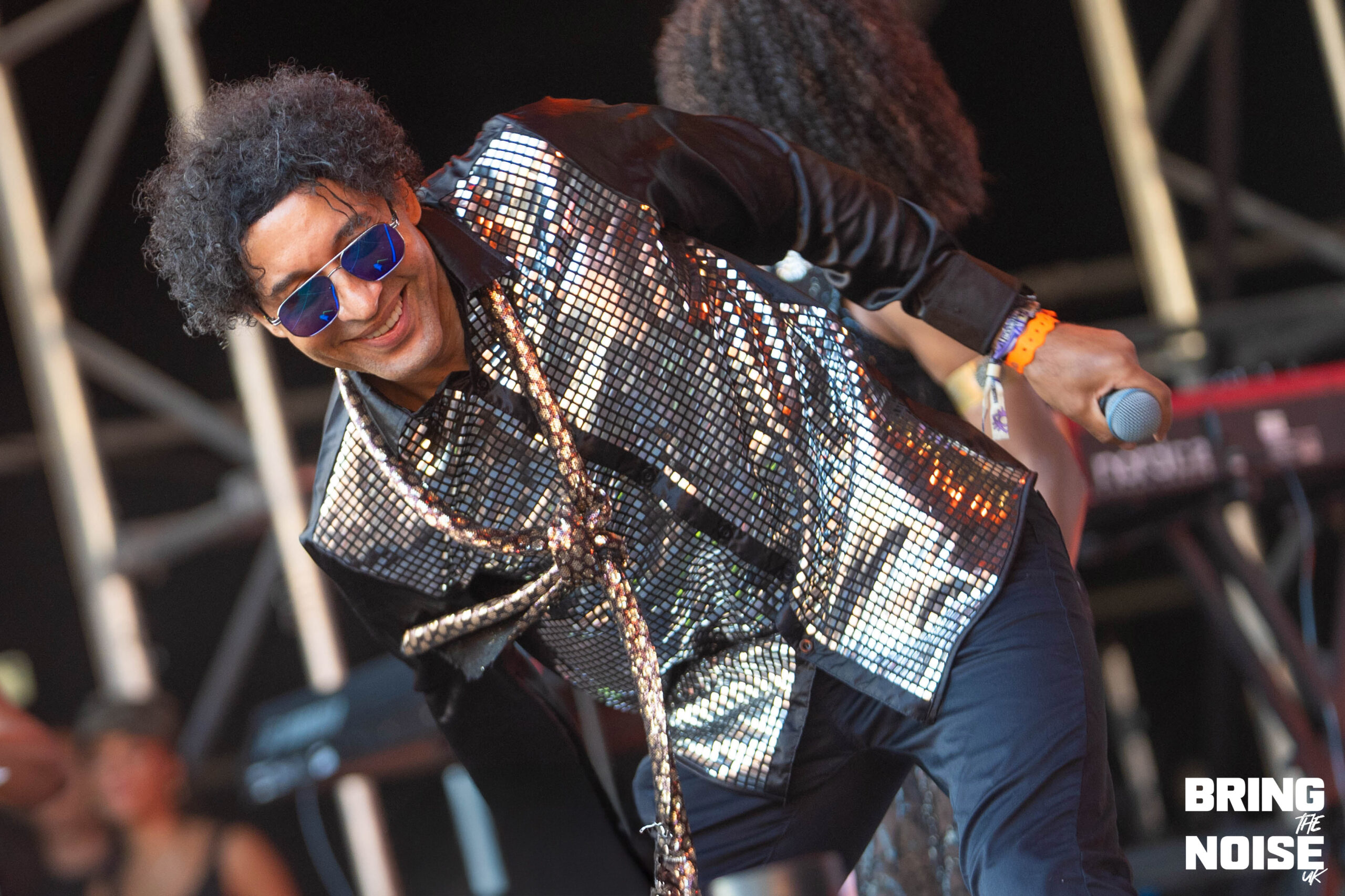
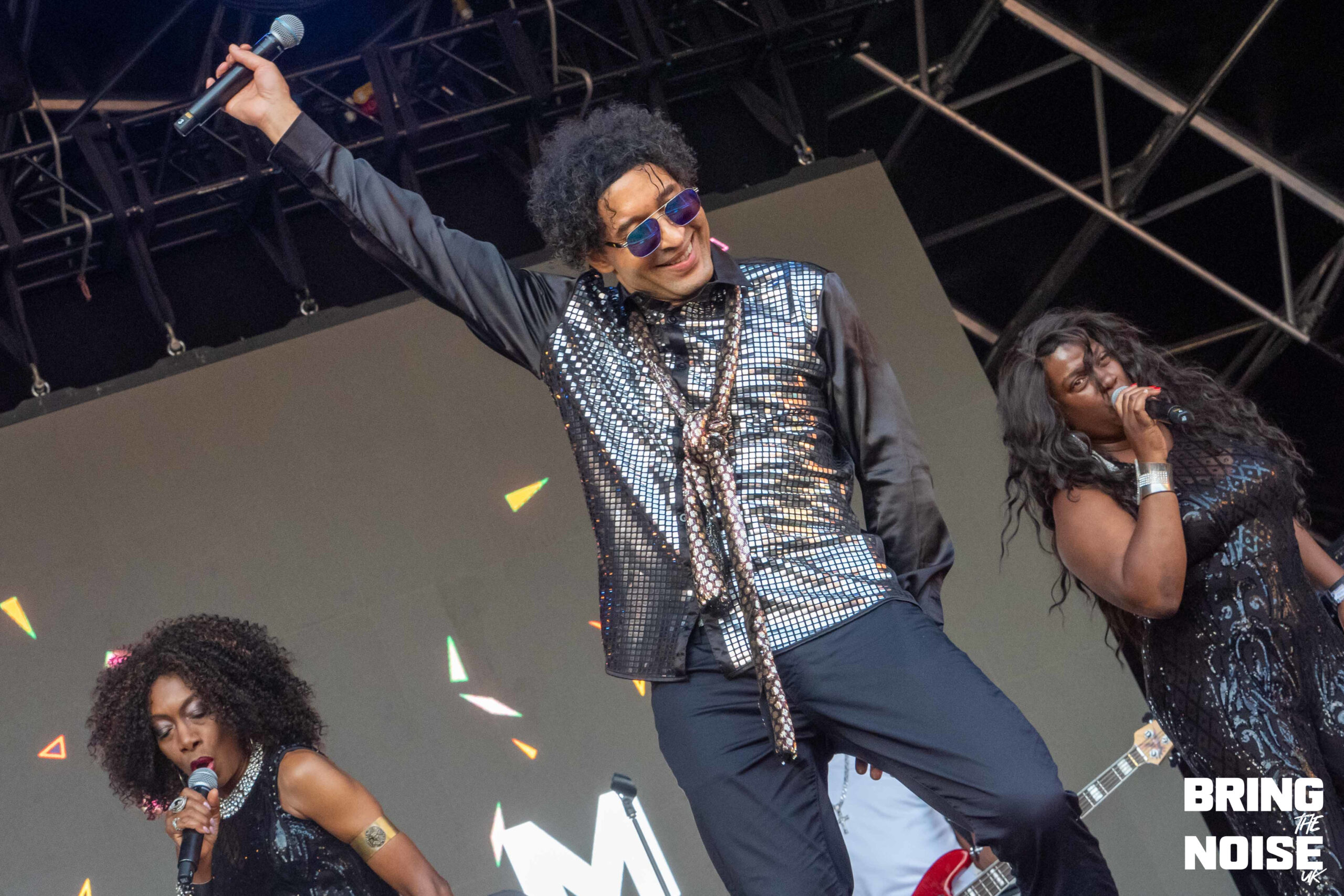
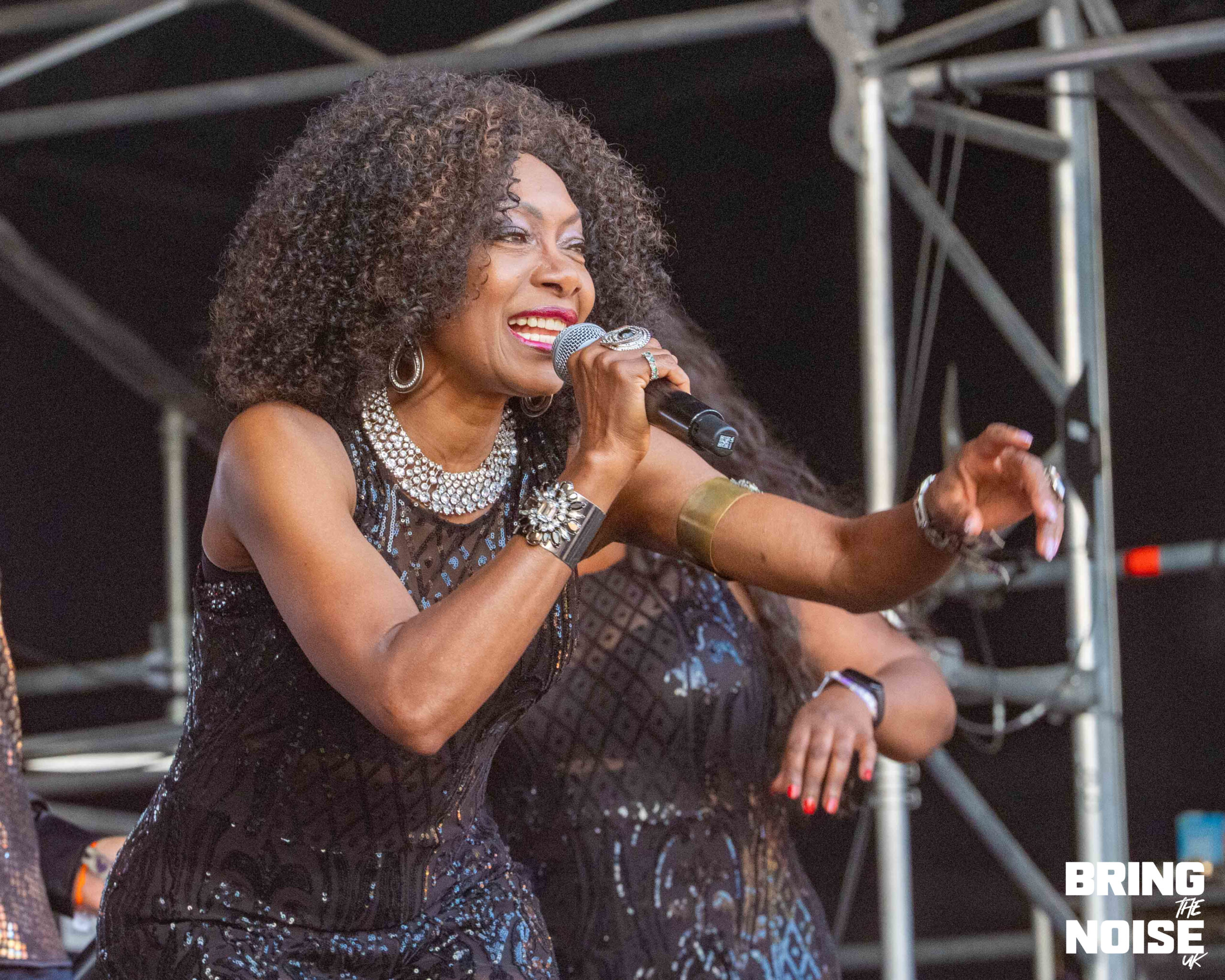
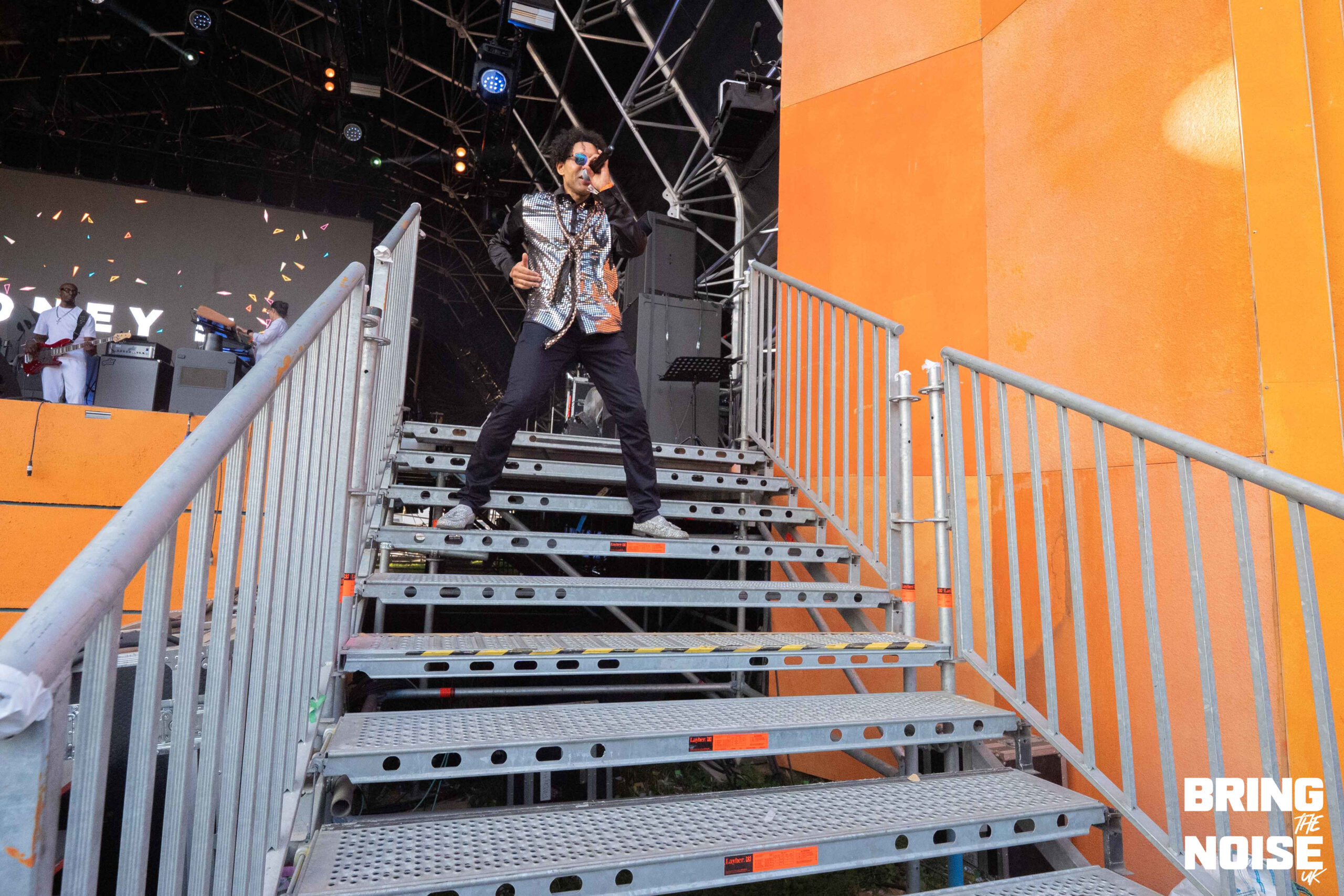
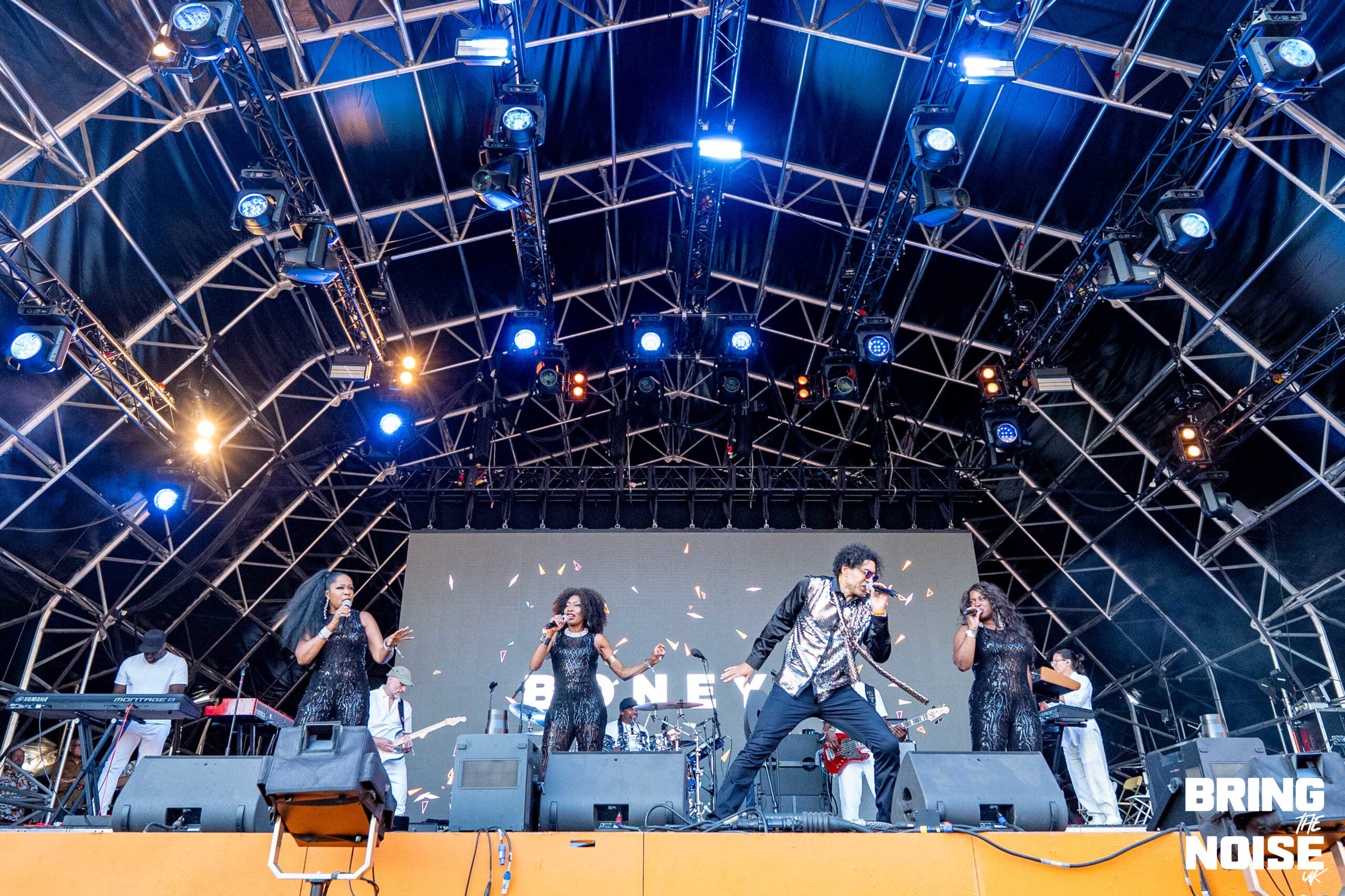
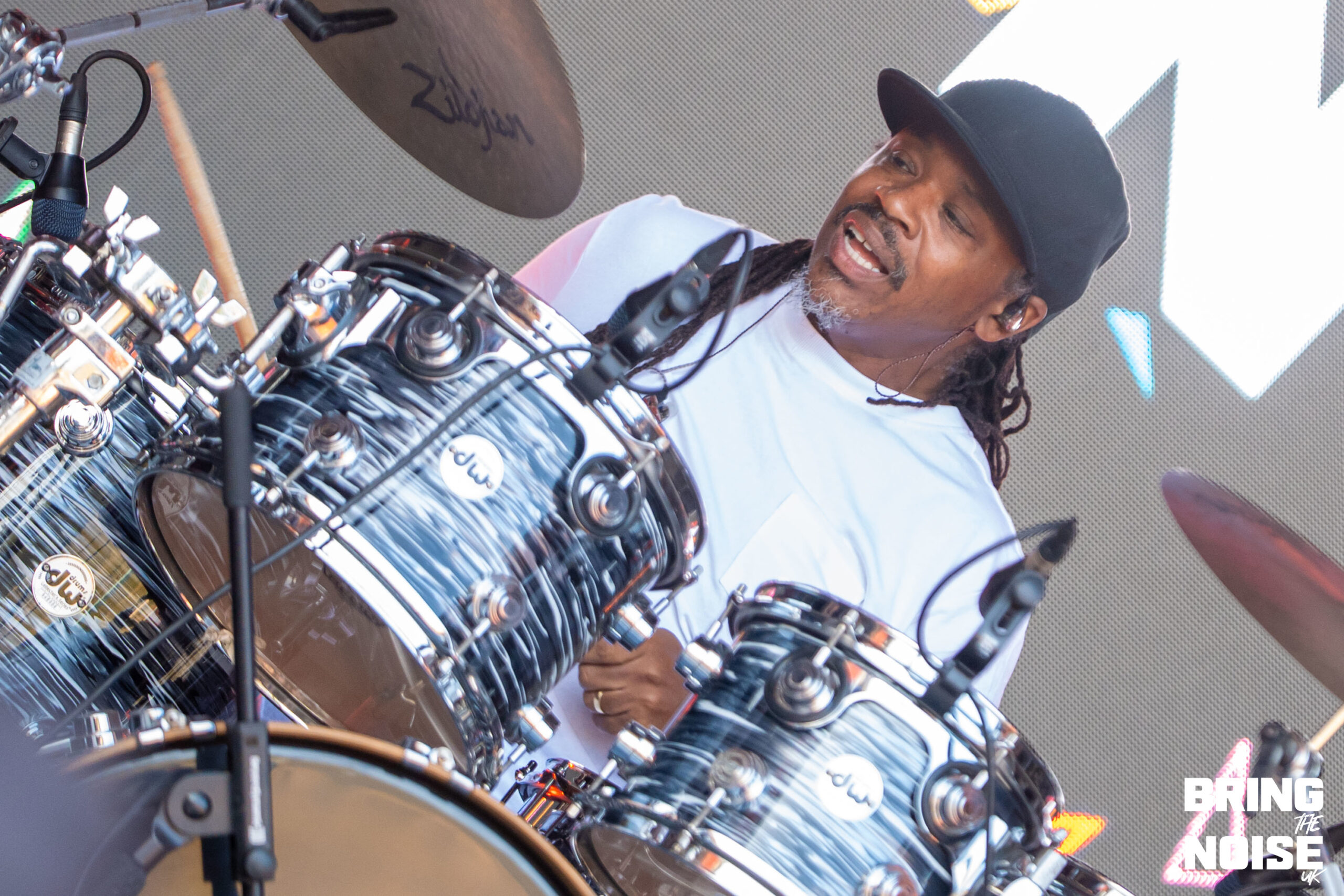
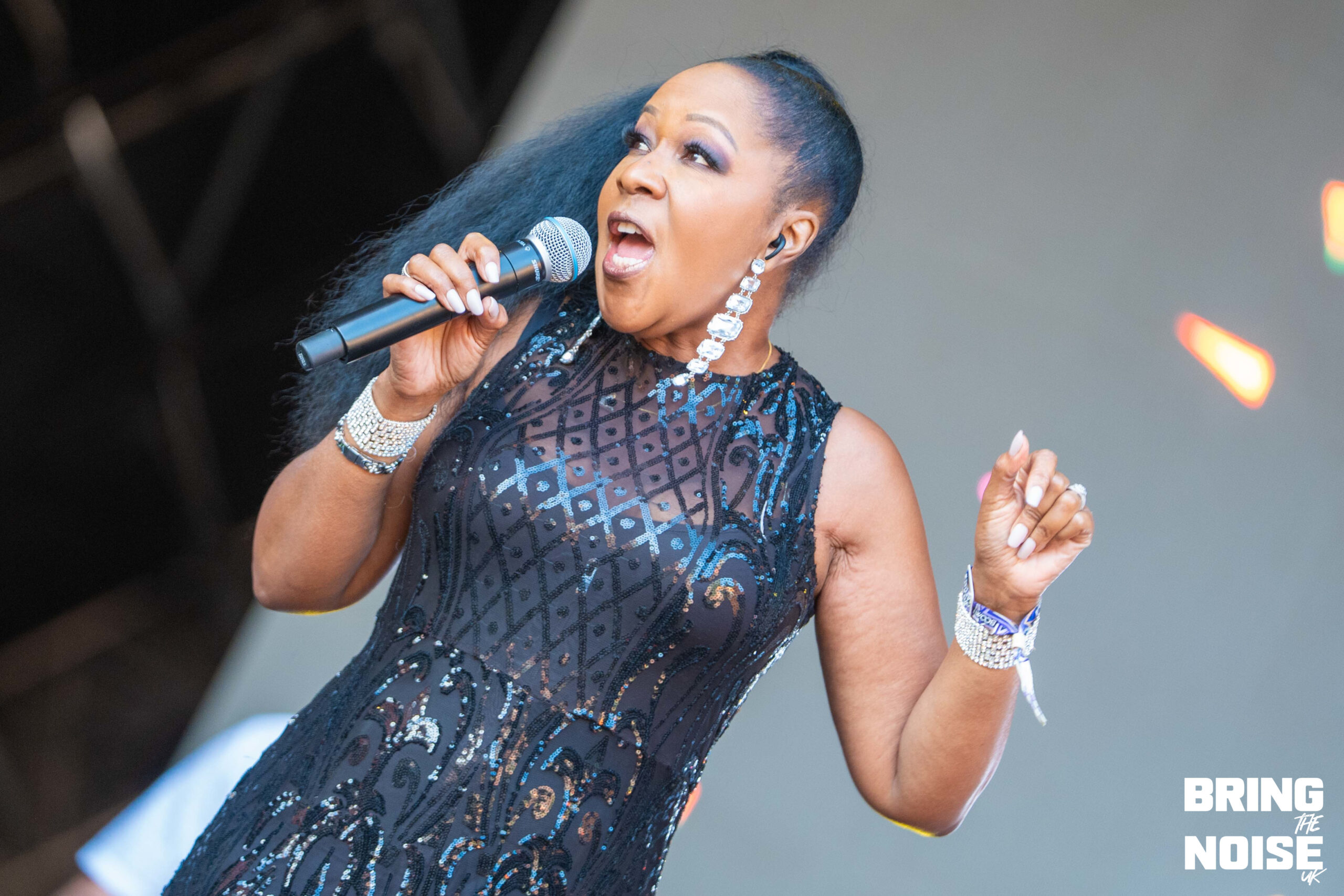
The smart booking continued with Boney M, fronted by original singer Maizie Williams. Whoever put them after Sean Paul knew exactly what they were doing — the crowd stayed, sang, and danced to every disco classic like it was 1978 all over again. Joy was everywhere.
We ducked over to Nexus to catch Liam Bailey — a British soul singer-songwriter whose voice carries grit, warmth, and a little heartbreak. He moved constantly, at one point lying down mid-song, joined by his girlfriend onstage. Understated, yet magnetic — Bailey’s the sort of act that makes you wonder how more people don’t already know his name.
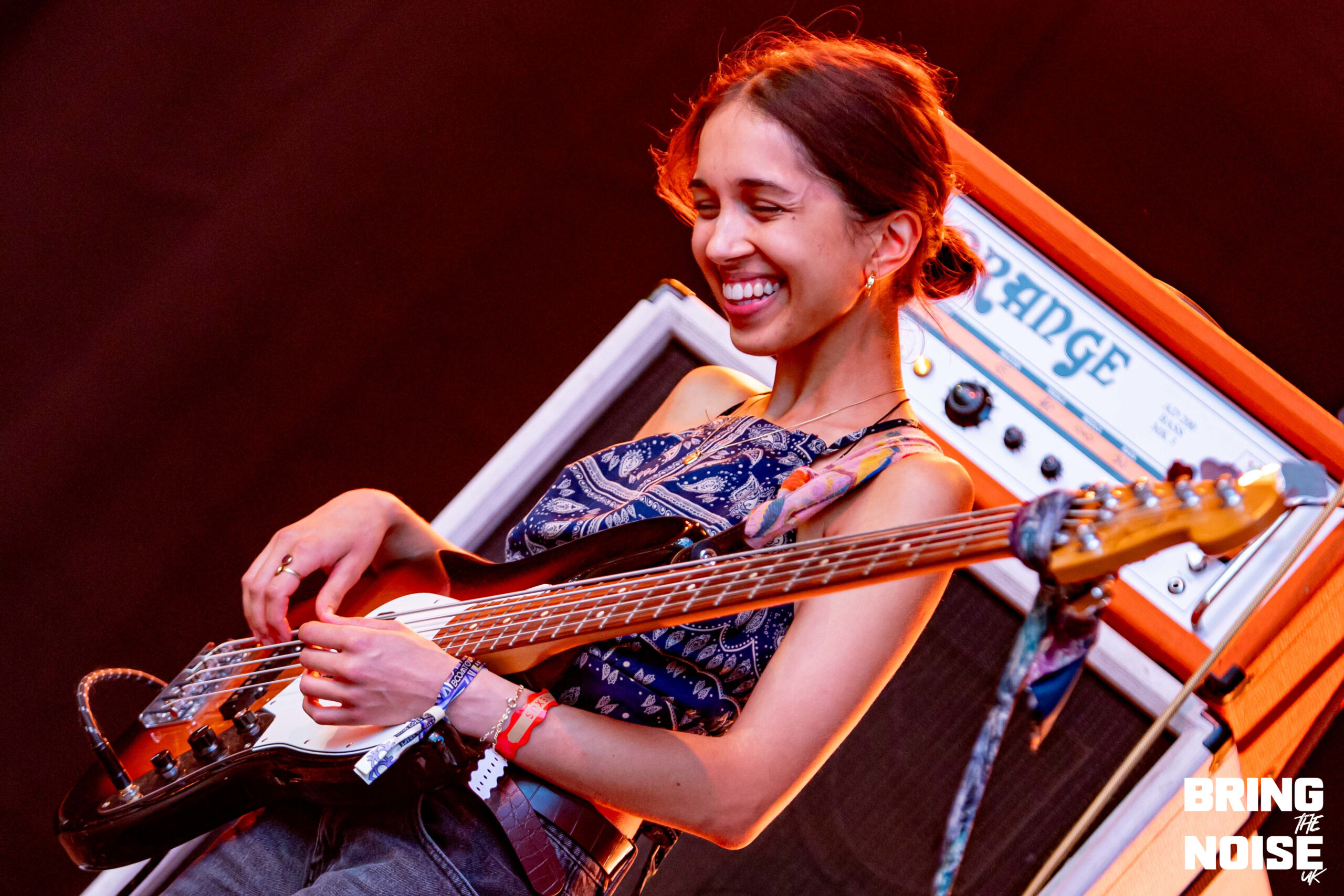
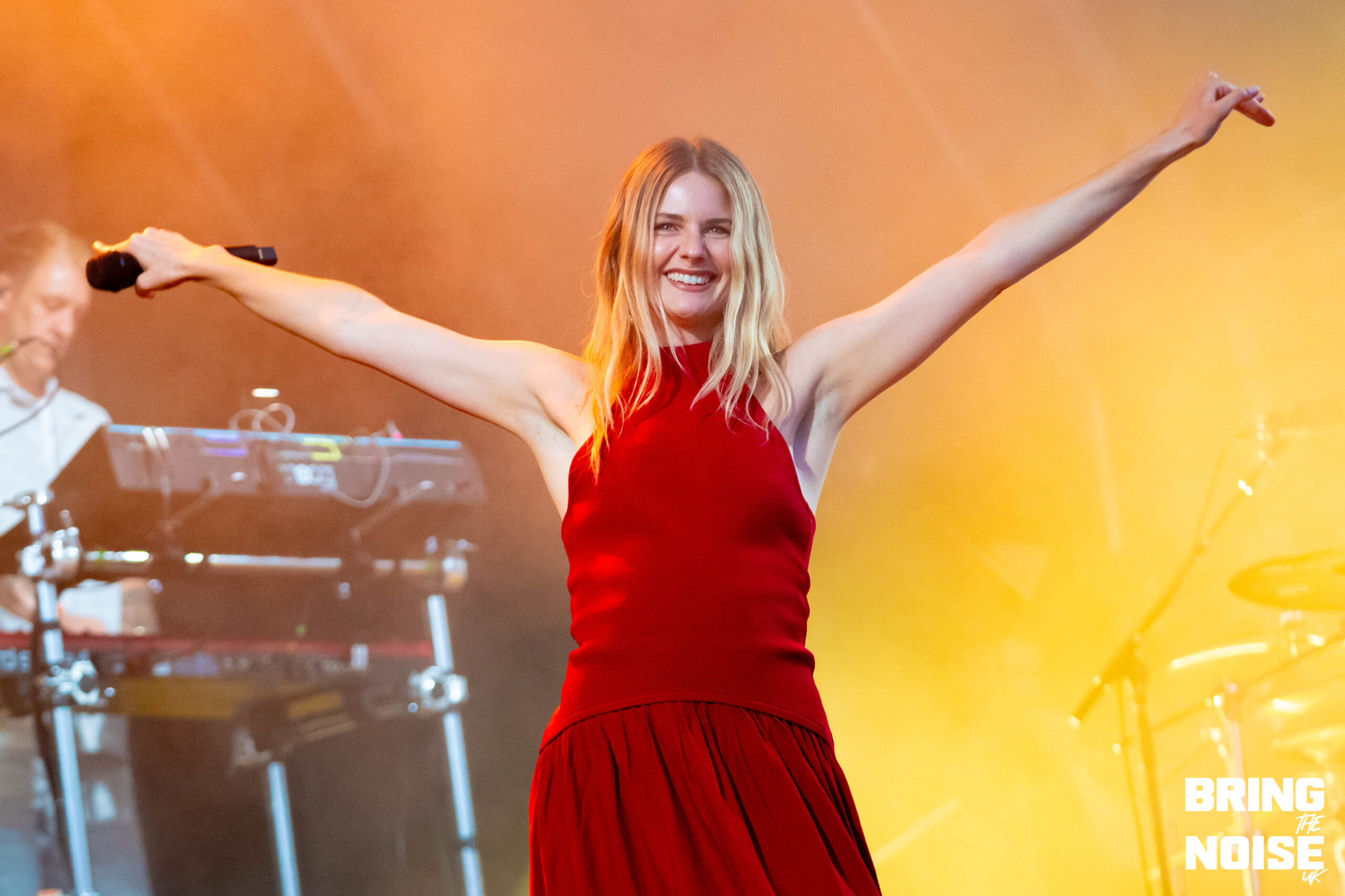
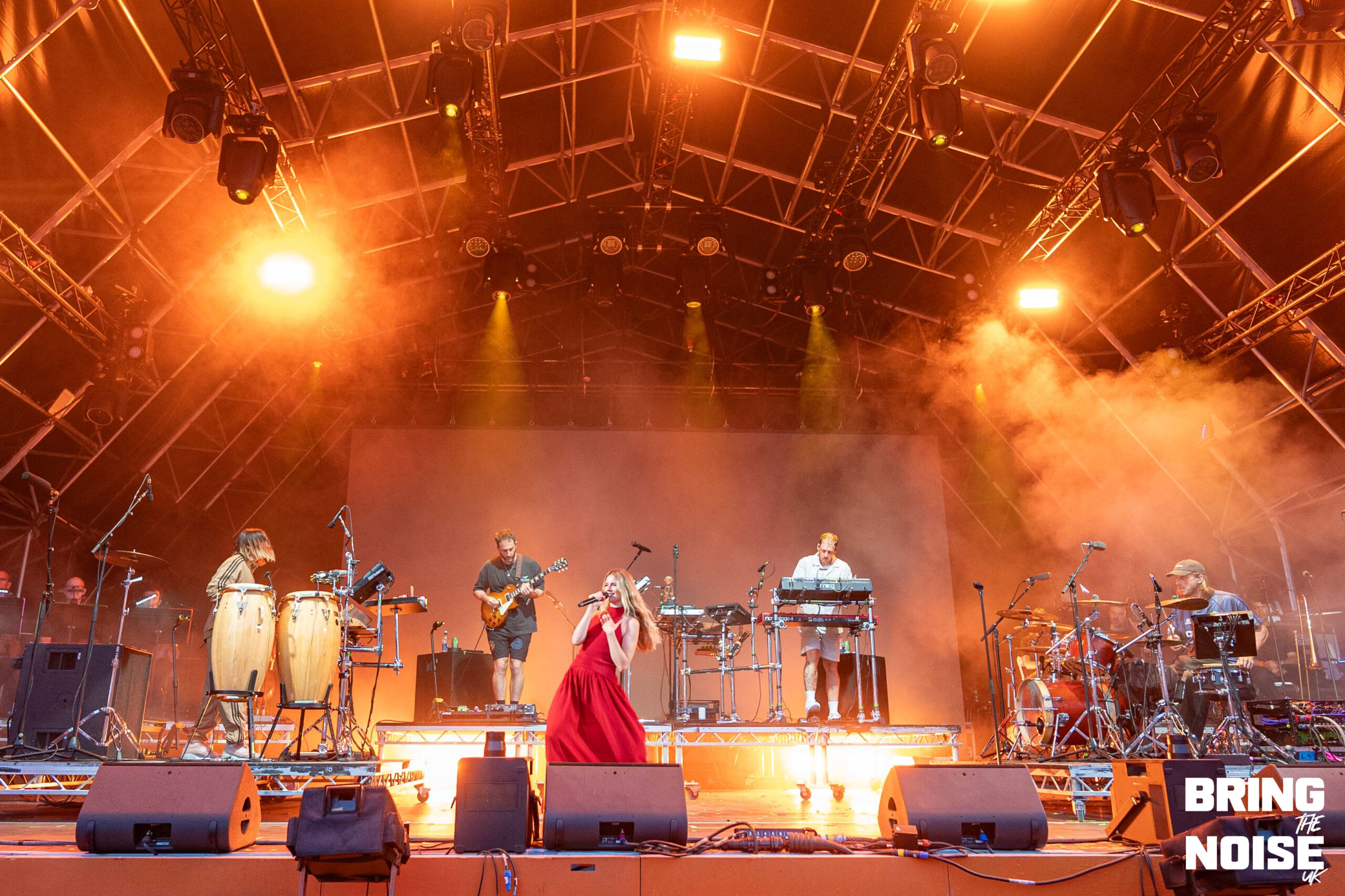
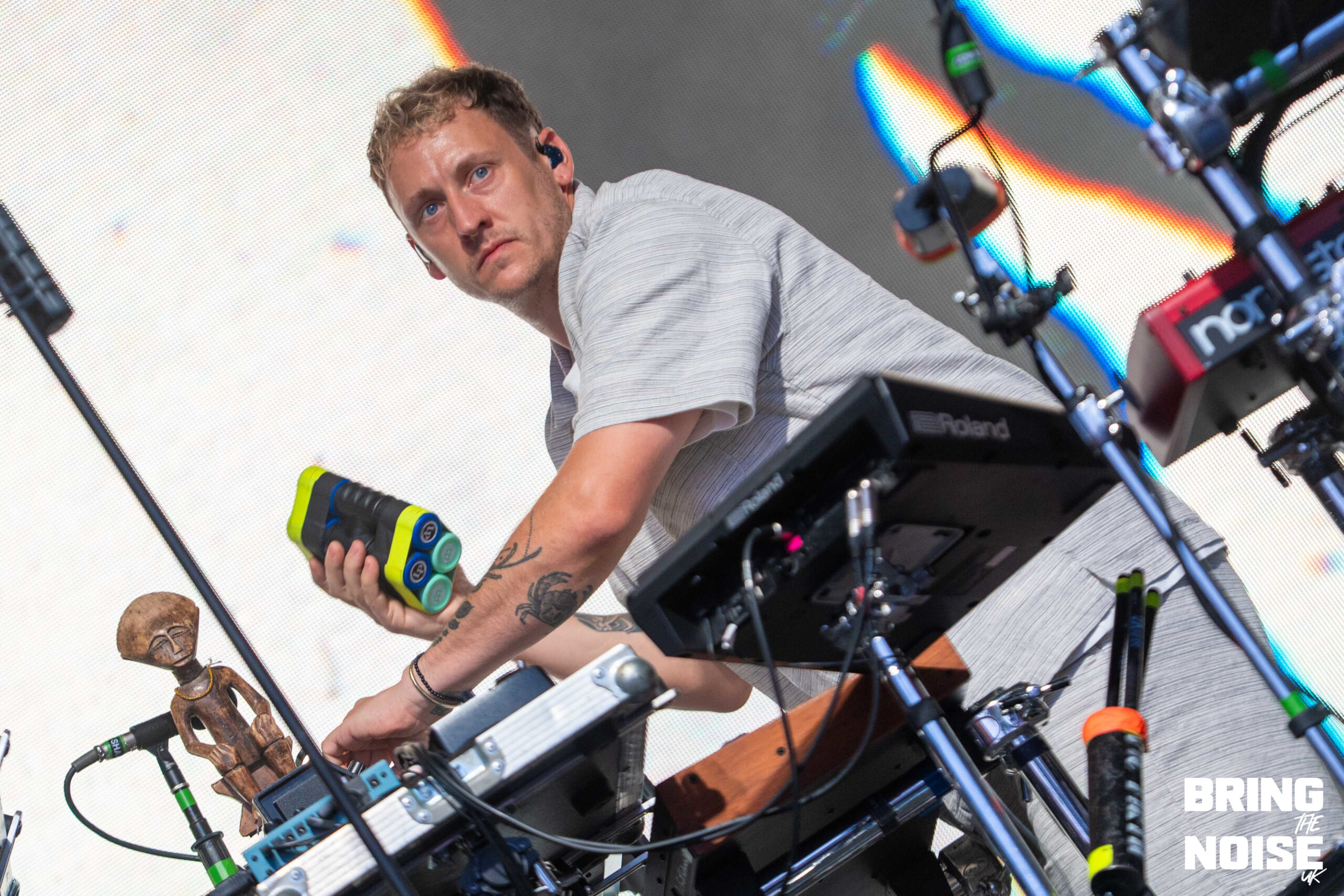
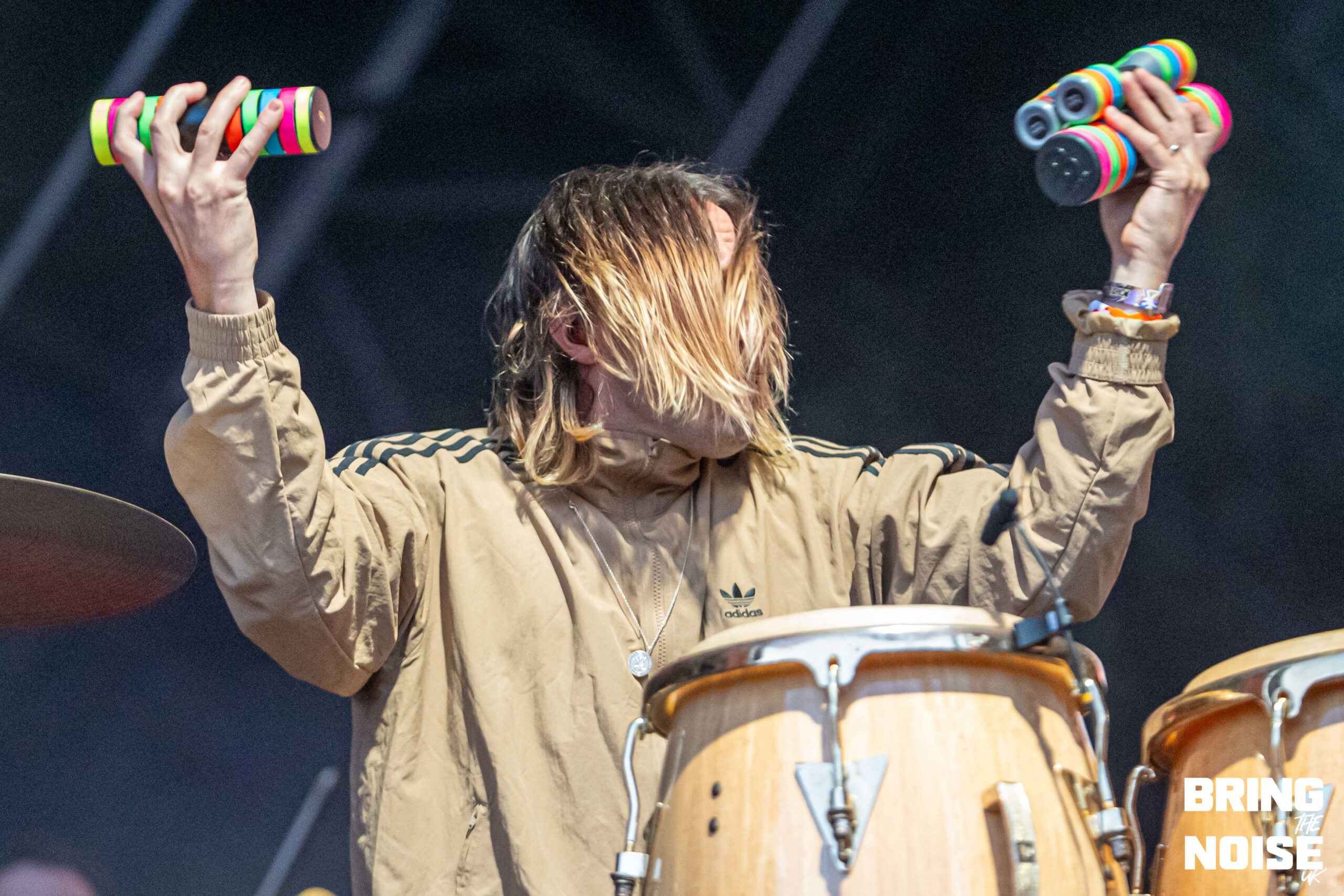
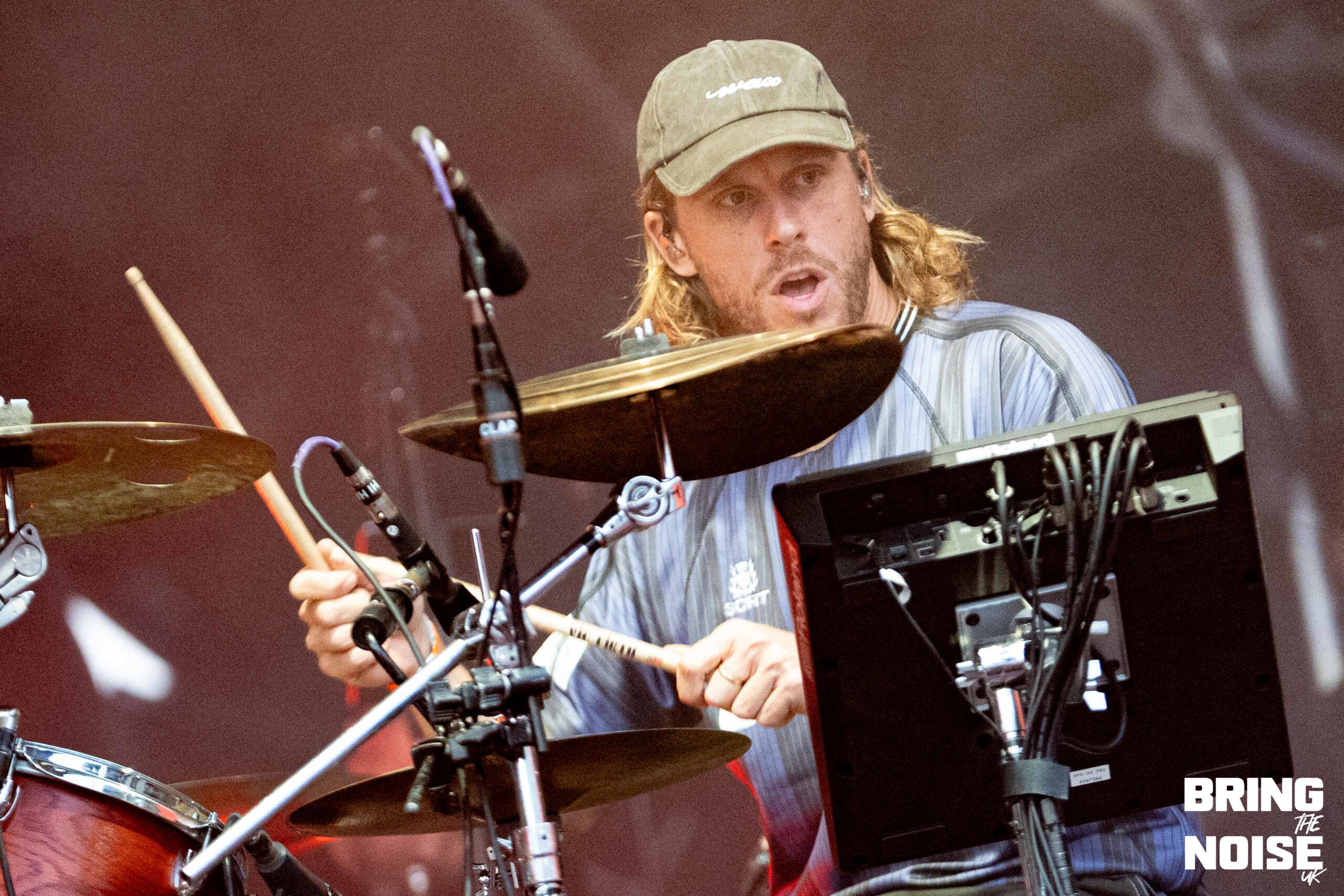
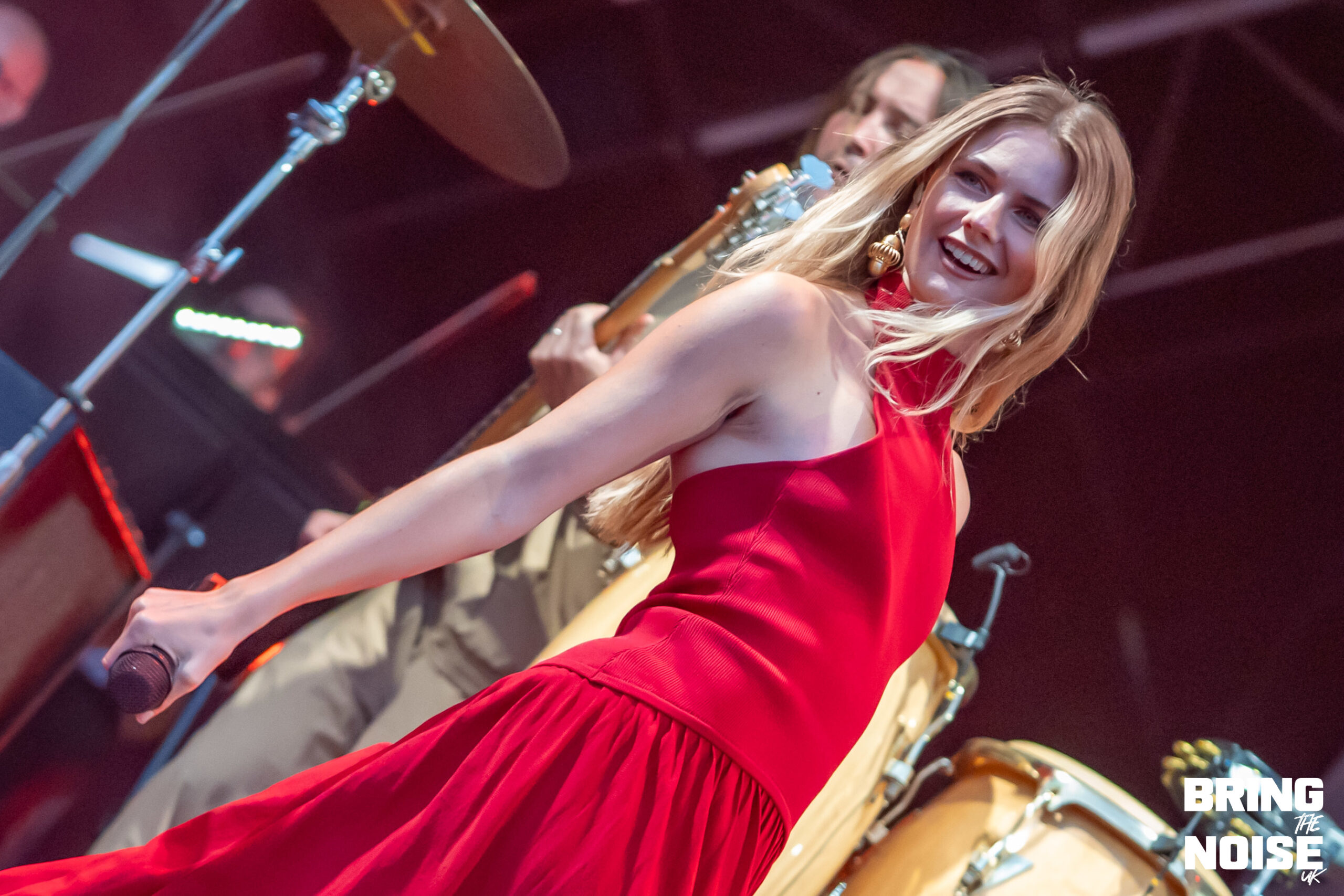
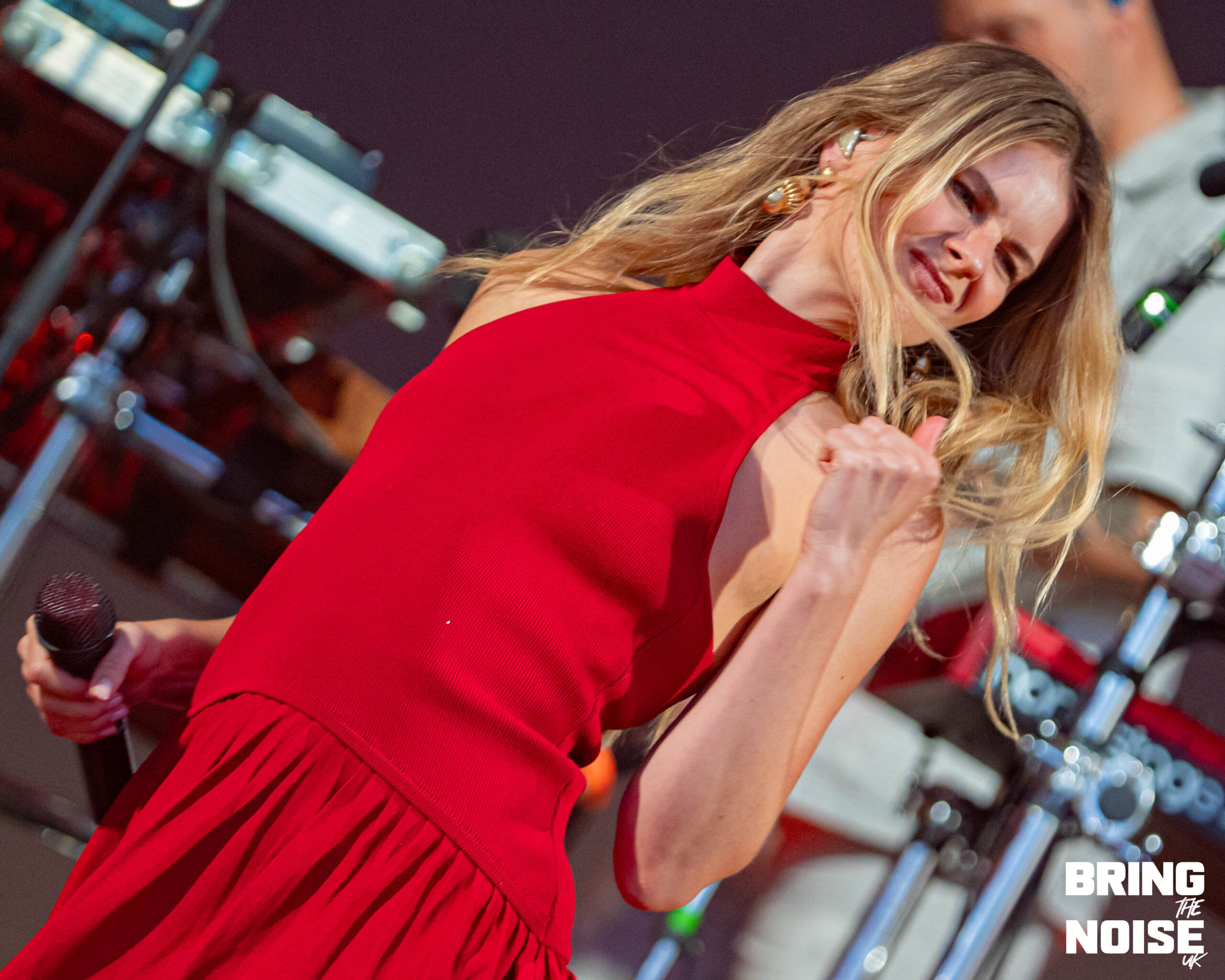
Back at Grand Central, Maribou State took the penultimate slot on their stage. Chris Davids and Liam Ivory have been redefining downtempo electronica since 2011, weaving organic textures into club-ready beats. Joined by Talulah Ruby, they drew the crowd into a hypnotic sway — a perfect comedown from earlier chaos, but still full of movement.
Somewhere between stage-hopping, we found ourselves down in the Lions Gate photo pit for Basslayerz — a DnB trio that doesn’t so much play as detonate. Camera in hand, we hoped everyone had earplugs. The sound was relentless, the basslines a physical force you could feel through your chest plate. From the pit, you see every detail — the sweat, the switch-ups, the crowd losing themselves completely. This wasn’t background noise. This was pure kinetic energy.
This year’s expansion to 76,999 capacity — up from pre-COVID’s 60,000 — was thanks to a new planning application ad Boomtown’s ambition keeps stretching. Sustainability is baked in: 2025 saw the debut of a stage powered entirely by hydrogen fuel cells.
For all its scale, it’s never just about the music. The line-up is revealed later than other festivals because it doesn’t need to sell you on headliners — the world-building, the hidden corners, the narrative, and the constant sense of discovery are the draw. Music is one part of it, but the districts, the actors, the sense you’ve stepped inside a parallel universe — that’s what makes Boomtown different.
On Sunday night, as the last notes faded, you could feel that strange Boomtown magic: the dust in the air, the ringing in your ears, the sensation that you’d been somewhere else entirely for a few days, somewhere you can’t quite explain to anyone who wasn’t there.
Boomtown isn’t a festival you watch, it’s one you live. Everyone should do it at least once.